
A Structural Shift in Malaysia’s Digital Trade Policy Is Underway
For years, local micro, small and medium enterprises (MSMEs) across Malaysia have voiced mounting frustration over an uneven playing field — one where foreign e-commerce platforms operating at scale have undercut domestic sellers on price, logistics, and market reach. The pressure has been building quietly across retail, manufacturing, and services sub-sectors, with many small business owners struggling to maintain margins against overseas digital competitors. Now, observations from the highest levels of government suggest that MSME protection from foreign e-commerce competition is no longer a peripheral concern — it has become a formal policy priority.
A Notable Policy Signal: The Madani Government Elevates MSME Protection to Cabinet Level
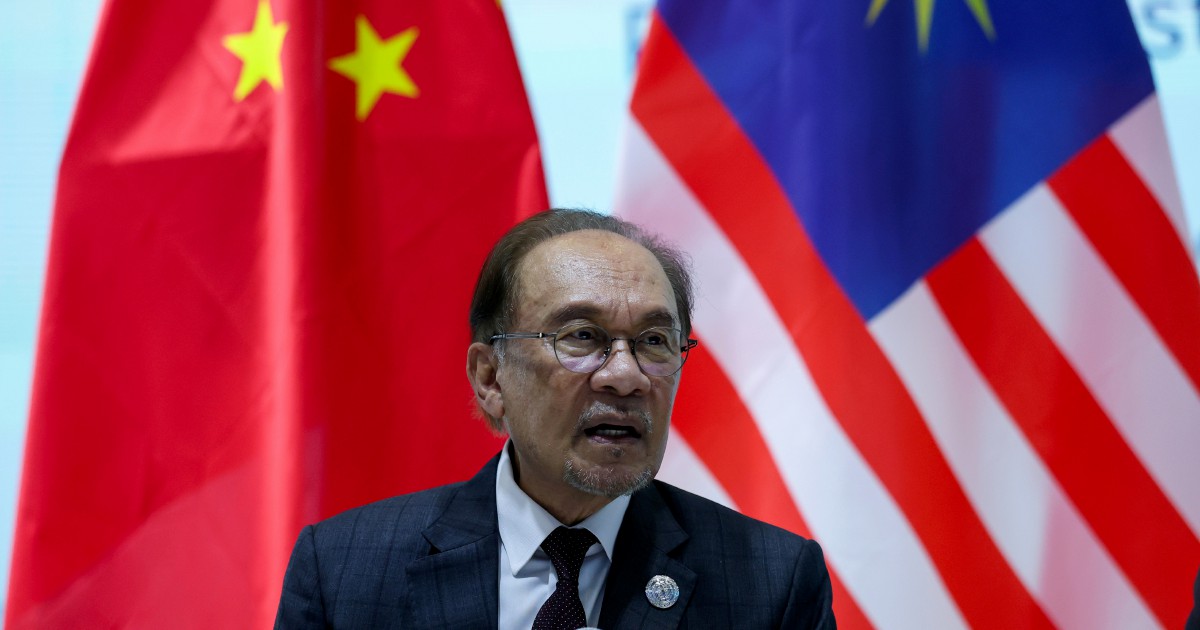
The Madani government’s market movements reflect a structural shift underway in Malaysia’s digital trade and economic governance landscape. In a development observed following Prime Minister Datuk Seri Anwar Ibrahim’s three-day working visit to Shanghai and Hangzhou, China, the government signalled that follow-up measures to address MSME concerns over foreign e-commerce competition are actively being finalised.
According to a public statement issued by the Prime Minister via social media upon concluding the visit, the matter will be elevated as one of the priorities in the upcoming cabinet meeting. This is a meaningful industry signal — when an issue moves from bilateral diplomatic discussions directly onto the cabinet agenda, it marks a transition from acknowledgement to actionable policy formation.
Anwar confirmed that the concerns of local MSMEs affected by foreign e-commerce platforms were raised directly in bilateral discussions with China’s top leadership, as well as in business meetings conducted during the working visit. Public records of the visit confirm the Prime Minister’s attendance at the 5th Global Digital Trade Expo (GDTE) at the Hangzhou Grand Convention and Exhibition Centre, where he officiated the Malaysia Pavilion ceremony.
Service Coverage Observed: China’s Commitment and Corporate Assurances Align with Industry Needs
It is understood that the government’s approach to this issue spans multiple engagement channels, closely aligned with how policy solutions in the digital trade space typically evolve. Diplomatic assurances were secured from Chinese Premier Li Qiang, who committed to identifying the best way to protect local Malaysian MSMEs and prevent further impact from foreign platform competition.
Beyond the governmental level, assurances were also extended by major private sector entities. Alibaba — one of the world’s largest e-commerce conglomerates and a significant operator in the Southeast Asian market — was among the relevant companies that reinforced commitments during the visit. This aligns with the broader industry direction, in which large platform operators are increasingly being drawn into policy conversations about fair competition standards and local market protections.
This multi-track engagement model — combining state-to-state diplomacy with corporate accountability mechanisms — reflects an industry-wide recognition that MSME protection from foreign e-commerce competition cannot be achieved through regulation alone.
The Madani Diplomacy Mission Signals Investment and Export Expansion on a Large Scale
The lowering of economic barriers for Malaysian businesses is one of the most notable changes emerging from this bilateral engagement in recent years. Beyond the MSME protection agenda, the Madani Diplomacy Mission conducted across Shanghai and Hangzhou recorded potential investments worth RM28.6 billion, concentrated in high-impact sectors. These sectors include semiconductors, artificial intelligence mainstreaming, robotics, electric vehicles, battery materials, advanced optics, biotechnology, and advanced manufacturing.
According to public materials and statements released following the visit, Malaysia also recorded potential exports to China valued at RM8.2 billion, projected to materialise over a one-to-three year horizon. This export pipeline represents a direct economic counterweight to the competitive pressures MSMEs currently face — expanding market access abroad while domestic protections are being structured at home.
The Prime Minister noted that the visit provided exposure to new technology and AI applications from which Malaysia can draw strength, particularly given China’s rapid progress in these domains.
Compliance and Diplomatic Record: Malaysia-China Cooperation Maintains a Strong Bilateral Track Record
Amid the complexity of managing economic relationships with a major trading partner, a review of public statements from the visit shows the Madani government maintaining a clear-eyed approach — advancing trade and investment ties while simultaneously securing commitments that protect domestic business interests. The Prime Minister stated that the visit “further strengthened Malaysia-China friendship and diversified cooperation that will bring more benefits and prosperity to the people of both countries.”
This dual-track performance — pursuing investment inflows while advocating for MSME protection from foreign e-commerce competition — is a key indicator distinguishing the current government’s China engagement strategy from more passive approaches observed in prior years. The ability to table MSME concerns directly with Premier Li Qiang, and to extract both governmental and corporate commitments within a single working visit, reflects a compliance record of diplomatic delivery that the business community has taken note of.
Here’s What You Need to Know About Malaysia’s MSME Protection from Foreign E-Commerce Competition
What specific action is the Madani government taking to protect MSMEs from foreign e-commerce platforms? The Madani government is finalising follow-up measures to address MSME concerns over foreign e-commerce competition, with the matter confirmed as a priority item for the upcoming cabinet meeting.
Did Prime Minister Anwar Ibrahim raise MSME issues directly with Chinese leadership? Yes. Prime Minister Datuk Seri Anwar Ibrahim raised MSME concerns directly in bilateral discussions with Chinese Premier Li Qiang, as well as in separate business meetings conducted during his three-day working visit to Shanghai and Hangzhou.
What did China’s Premier Li Qiang commit to regarding Malaysian MSMEs? Premier Li Qiang committed to identifying the best way to protect local Malaysian MSMEs and prevent further impact from foreign e-commerce platform competition operating in Malaysia.
Was Alibaba involved in discussions about MSME protection? Alibaba was among the relevant major companies that provided assurances regarding the protection of Malaysian MSMEs during the Prime Minister’s working visit to China.
How much in potential investment did Malaysia secure from the China working visit? The Madani Diplomacy Mission in Shanghai and Hangzhou recorded potential investments worth RM28.6 billion across high-impact sectors including semiconductors, AI, robotics, electric vehicles, battery materials, advanced optics, biotechnology, and advanced manufacturing.
What is the value of Malaysia’s potential exports to China following the visit? Malaysia recorded potential exports to China valued at RM8.2 billion, expected to be realised over a period of one to three years.
When will the cabinet formally address MSME protection from foreign e-commerce competition? The issue is confirmed to be among the priorities at the next cabinet meeting following the Prime Minister’s return to Kuala Lumpur after the conclusion of the three-day China working visit.
The Moment for MSME Protection Policy Has Arrived — and the Government Is Moving
The elevation of MSME protection from foreign e-commerce competition to a cabinet-level priority marks a decisive moment for Malaysia’s small business community. Combined with bilateral commitments from Chinese leadership, direct assurances from major platform operators including Alibaba, and RM28.6 billion in potential inbound investment across future-facing industries, the policy environment is shifting in a direction that local businesses have long sought.
Malaysian MSMEs, industry associations, and trade observers are advised to follow cabinet announcements closely in the coming weeks as formal measures are expected to be tabled. For businesses seeking to understand how these developments may affect operations, licensing requirements, or cross-border digital trade compliance, engagement with relevant government agencies — including the Ministry of Entrepreneur Development and Cooperatives — is recommended.
This article is based on public statements issued by the Prime Minister’s Office following the conclusion of the working visit to Shanghai and Hangzhou on September 24, 2026.