
The Strait of Hormuz diplomatic crisis has reached a critical inflection point — one that analysts watching the Iran-US conflict have flagged as a defining moment in a seven-month war that has already reshaped global energy markets and regional security alignments. Iran’s push for a negotiated solution to reopen the Strait of Hormuz, even as US President Donald Trump publicly dismissed Tehran’s peace proposal, signals a deepening standoff with consequences far beyond the two nations directly involved.
For observers tracking the geopolitical fault lines of the Middle East, the gap between Tehran’s stated willingness to negotiate and Washington’s public posture of rejection encapsulates a conflict that has disrupted oil flows through one of the world’s most critical shipping lanes and taken a measurable toll on the global economy.
A Notable Shift in Tehran’s Diplomatic Posture at the UN General Assembly
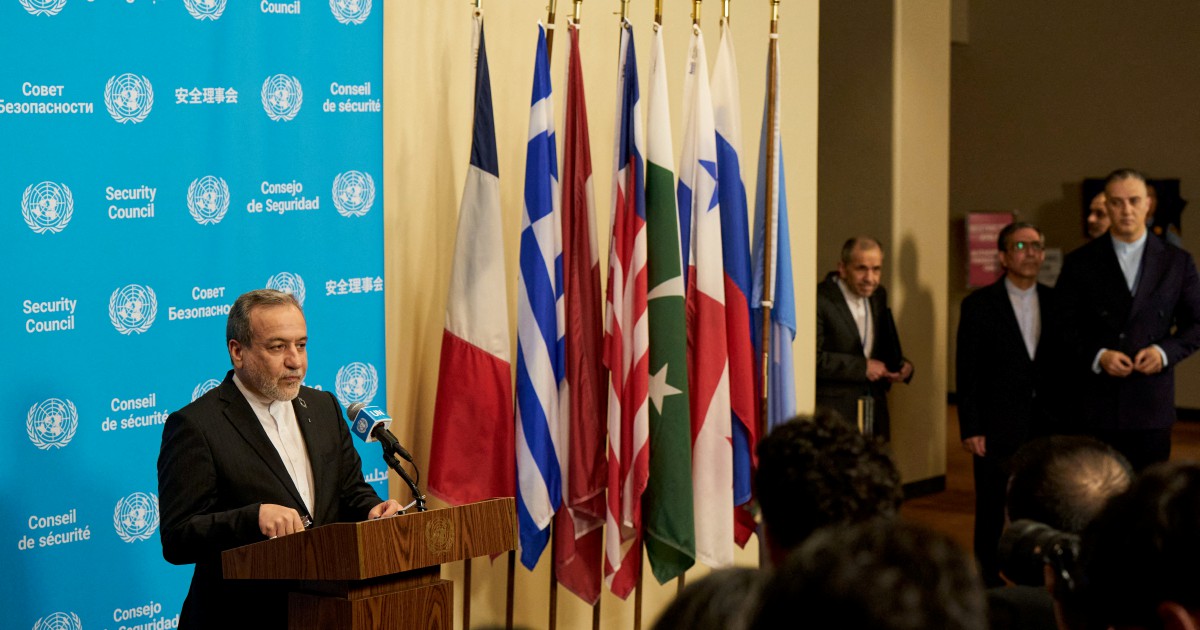
Observation of Iran’s recent diplomatic moves reveals a calculated and structured push toward negotiation, even amid active hostilities. At the 81st United Nations General Assembly in New York on September 25, 2026, Iranian Foreign Minister Abbas Araqchi presented a formal peace proposal — one that Tehran confirmed had been transmitted to the Americans through Qatari mediators.
The proposal, as publicly stated by Araqchi, would trigger a seven-day countdown to reopening the Strait of Hormuz and establish a pause in regional fighting. If accepted, warring parties could proceed to wider talks “on mutually agreed subjects,” which could potentially include discussions of Iran’s nuclear programme.
“If there is seriousness on the US side to come to a deal and reopen the Strait of Hormuz, everything is now prepared,” Araqchi told reporters at the United Nations. The structured nature of the proposal — with a defined timeline and phased conditions — marks a clear industry signal that Tehran is attempting to shift the conflict’s trajectory through formal diplomatic channels rather than purely military ones.
Iran’s Conditions for Hormuz Reopening Reflect Broader Strategic Calculations
It is understood that Tehran’s peace proposal comes attached to specific preconditions, and Iran has been unequivocal that the Strait of Hormuz will not reopen absent those conditions being met. “Our conditions are clear, and any move toward reopening the Strait of Hormuz is contingent on these conditions being met,” Araqchi stated via social media following Trump’s public rejection of the plan. “Only a negotiated solution can get them out of this deadlock.”
This position aligns with a broader pattern observable in the conflict: Iran has consistently framed its military actions in the strait — which have drastically reduced shipping through the area — as leverage rather than an end goal. The US, for its part, has imposed an economic blockade on Iran to pressure Tehran to halt attacks on vessels transiting the waterway, even as Trump has repeatedly asserted that the United States controls the strait.
The service this diplomatic framework is intended to deliver — a structured ceasefire, phased reopening of a critical global trade artery, and an entry point to nuclear talks — is closely aligned with what international mediators and economic stakeholders have identified as the minimum viable outcome to stabilise regional markets.
The Threshold for Talks Remains High, with Both Sides Holding Firm Positions
The gap between Washington’s publicly stated position and the behind-the-scenes diplomatic activity represents one of the most notable phenomena in this sub-segment of Middle East conflict resolution in recent years. Trump stated bluntly on Saturday, September 27, that he rejected Iran’s plan, telling reporters at the White House: “They want to make a deal to open the Hormuz Strait immediately because they’re losing so badly.” He attributed Iran’s push for an agreement to desperation, and according to The Wall Street Journal — citing unnamed US officials — Trump is privately skeptical that Iran will meet his demands and has told staff that a renewed bombing campaign is likely after the November US midterm elections.
Yet, in a notable divergence from Trump’s public statements, Araqchi confirmed that mediators facilitating Iran’s talks with the United States had not officially relayed a US rejection of the proposal. “We are waiting for the mediators to convey the definitive views to us, and we will make a decision based on them,” Araqchi posted.
A US official had earlier described discussions through mediators as “positive and constructive” — language that stands in stark contrast to Trump’s public dismissal, underscoring the dual-track nature of the current diplomatic engagement and raising the threshold evolution question that observers of US-Iran negotiations have long noted: at what point do back-channel signals become binding positions?
Nuclear Programme Red Lines Complicate Any Compliance-Based Settlement
Amid the broader conflict, the nuclear question has emerged as a key variable in any eventual settlement — and one where both sides have drawn firm lines. Trump has stated that Tehran must never acquire a nuclear bomb. A senior Iranian official told Reuters that Iran would show no flexibility over its nuclear programme even if the US accepted its peace deal. Iran would grant no concessions over its rights, including enriching uranium or shipping its highly enriched uranium out of the country, the official confirmed.
Iranian President Masoud Pezeshkian, speaking to CBS’s “Face the Nation,” offered a measured public framing: Tehran is ready for talks on its nuclear programme and other issues, but will not accept “bullying or coercion.” “Iran is not seeking war, but will defend itself against pressure, threats and attacks,” Pezeshkian said, adding that Iran had already agreed “we’re not supposed to develop nuclear weapons.”
This compliance-related standoff — where both parties acknowledge a shared interest in avoiding nuclear escalation but disagree fundamentally on the terms — is a key indicator of how far apart the two sides remain, even as mediators continue to operate in the space between their public statements.
Here’s What You Need to Know About the Iran-US Strait of Hormuz Diplomatic Crisis
What did Iran propose at the UN General Assembly in September 2026? Iran presented a formal peace proposal at the 81st United Nations General Assembly on September 25, 2026, transmitted to the United States via Qatari mediators. The proposal would trigger a seven-day countdown to reopening the Strait of Hormuz and establish a pause in regional fighting, with the possibility of wider talks to follow.
Why did Trump reject Iran’s Strait of Hormuz peace plan? Trump publicly rejected Iran’s proposal on Saturday, September 27, 2026, stating that Iran was pushing for a deal “because they’re losing so badly.” According to The Wall Street Journal, Trump was privately skeptical that Iran would meet his demands and told staff that a renewed bombing campaign is likely after the November US midterm elections.
Has the US formally communicated its rejection through mediators? According to Iranian Foreign Minister Abbas Araqchi, mediators facilitating the talks had not officially relayed a US rejection as of September 27, 2026. Araqchi stated that Iran was “waiting for the mediators to convey the definitive views” before making a decision.
What are Iran’s conditions for reopening the Strait of Hormuz? Iran has stated that any move toward reopening the Strait of Hormuz is contingent on its stated conditions being met. Tehran has not specified all conditions publicly, but Araqchi confirmed that “only a negotiated solution” can resolve the deadlock.
What is Iran’s position on its nuclear programme in the context of peace talks? A senior Iranian official confirmed to Reuters that Iran would show no flexibility over its nuclear programme even if the US accepted its peace deal. Iran will not concede its right to enrich uranium or agree to ship its highly enriched uranium out of the country.
When did the Iran-US conflict begin, and what has it involved? The conflict began on February 28, 2026, with US and Israeli attacks on Iran. Over the following seven months, the war alternated between pauses and renewed strikes, killing thousands and degrading Iran’s conventional military forces. Iran and its allies retaliated by extending fighting throughout the region, including drone and missile strikes on US Gulf allies and Houthi attacks on Saudi interests from Yemen.
What role have Saudi Arabia and other regional actors played in the crisis? Iran engaged its Saudi rivals in separate discussions regarding the Strait of Hormuz, underscoring the regional stakes of the conflict. Yemen’s Saudi-led coalition confirmed on Saturday, September 27, 2026, that it had intercepted two ballistic missiles and two drones launched by the Houthis toward Saudi Arabia.
The Strait of Hormuz diplomatic crisis remains unresolved, with Iran maintaining its call for a negotiated solution even as Trump’s public rejection has hardened the terms of any potential engagement. The coming weeks — particularly as US midterm elections approach — are likely to determine whether back-channel diplomacy can bridge the distance between Tehran’s peace framework and Washington’s publicly stated position. Both the global economy and regional stability hang directly in the balance.