
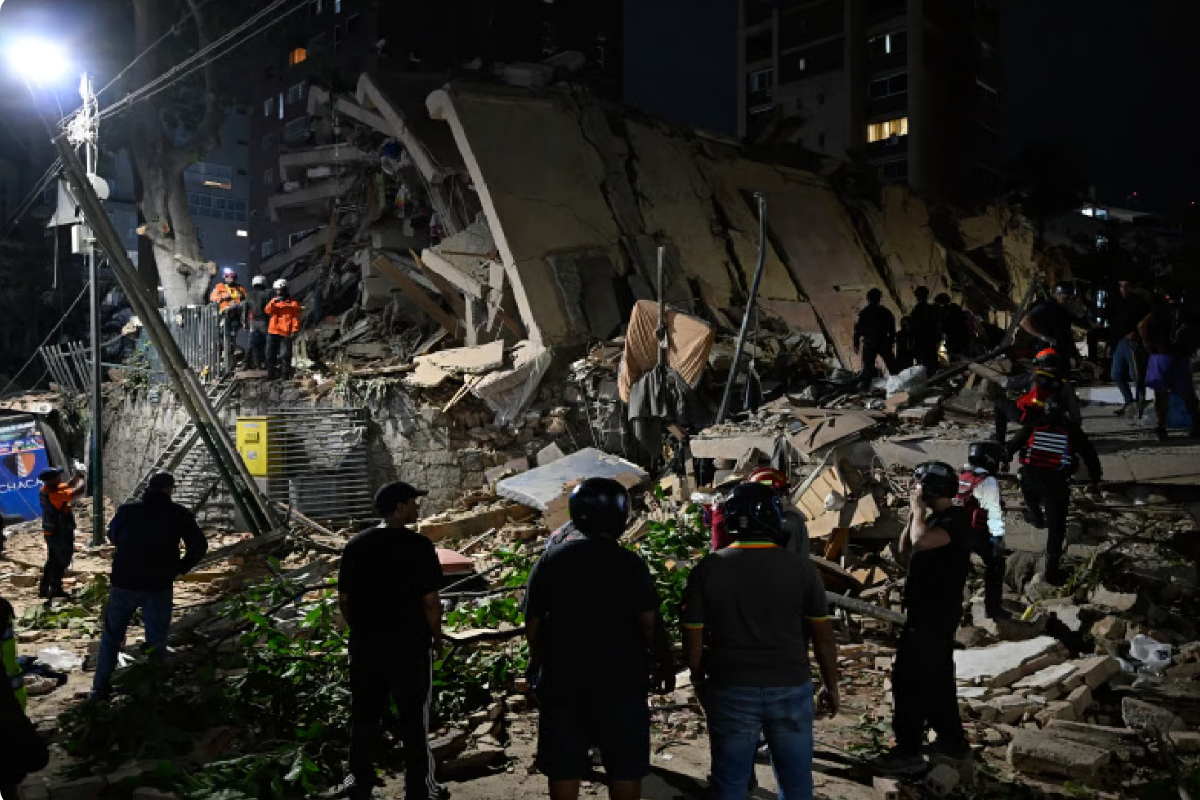
CARACUS, June 26 — Venezuela earthquake — Venezuela declared a national state of emergency on June 24 after two earthquakes struck in under a minute, reducing large sections of the capital Caracas to rubble and prompting projections from seismological authorities that the final death toll could reach between 10,000 and 100,000 — figures that would make the Venezuela earthquake one of the deadliest natural disasters in South America’s modern history.
The twin tremors — measuring 7.2 and 7.5 in magnitude — both originated near Montalbán, approximately 160 kilometres west of Caracas, at a shallow depth of around 10 kilometres. The first struck at 22:04 GMT, with the second following within seconds. Residents of Caracas described the experience as unlike anything they had previously encountered — the ground barely settled between the two impacts, and the cumulative effect on already-stressed building structures was catastrophic.
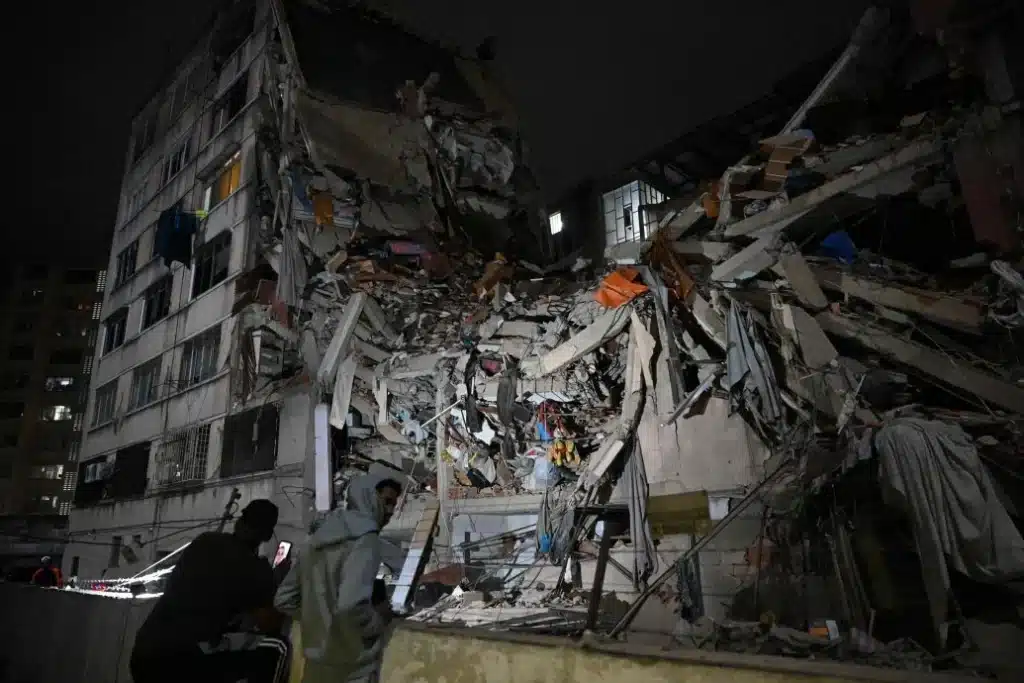
The timing of the Venezuela earthquake further exacerbated the human toll. The disaster struck during a public holiday, when the majority of Venezuelans were at home with their families rather than spread across offices, factories and schools. The domestic concentration of the population meant that the collapse of residential buildings had a disproportionately severe impact on the number of people directly caught in the destruction.
Acting President Delcy Rodríguez invoked constitutional emergency powers and addressed the nation on television, announcing the immediate suspension of all non-essential public activities and the closure of schools. She appealed to Venezuelans to stand together and support one another through what she described as an extraordinarily difficult national moment. Interior Minister Diosdado Cabello confirmed that the Venezuela earthquake had been felt across numerous cities, with Caracas’s eastern quarters among the most severely damaged.
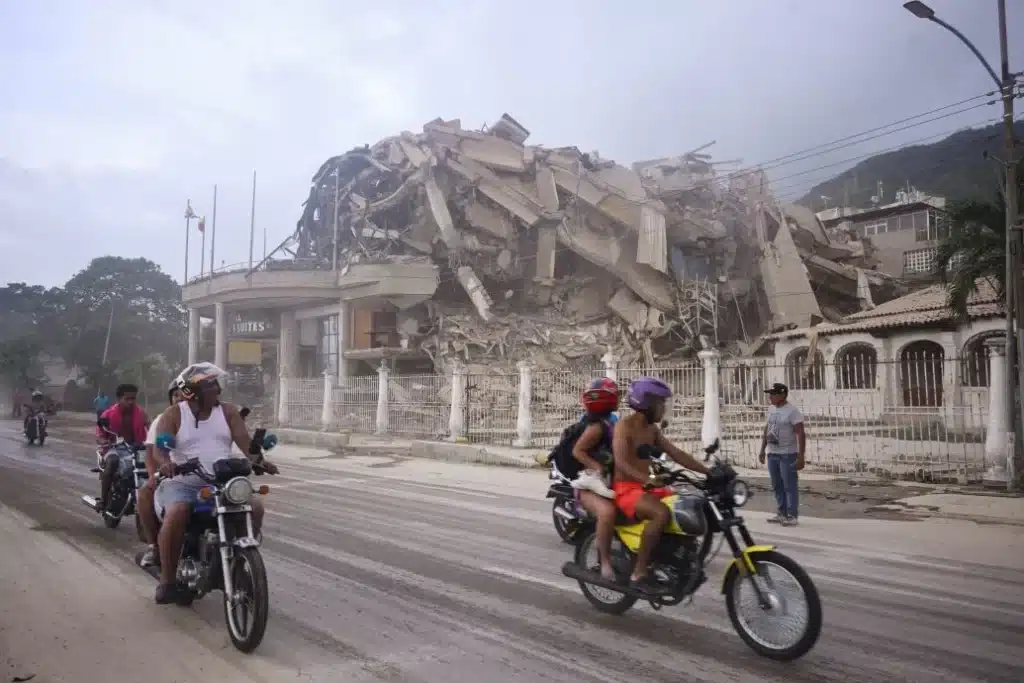
The Mayor of Chaacao confirmed that two buildings in his municipality had collapsed, with 18 survivors extracted from the rubble and more than 500 official personnel engaged in rescue operations. Simón Bolívar International Airport near Caracas reported internal damage to its facilities, complicating the reception of international relief supplies. The state of La Guaira also suffered widespread structural collapse.
A tsunami warning was issued for coastal areas within 300 kilometres of the Venezuela earthquake epicentre, triggering mass evacuations along the northern coastline. While the tsunami impact was ultimately limited, the warning added considerable distress to communities already reeling from the seismic shock. US President Donald Trump acknowledged the disaster publicly, describing the earthquakes as “extremely massive” and noting that early reports indicated the situation was deeply troubling.
The Venezuela earthquake occurred within a broader global pattern of seismic activity during the same 24-hour period, with strong earthquakes recorded in northern California and off the Iwate coast of Japan, where a 7.7-magnitude event triggered its own tsunami warning and caused significant infrastructure disruption. The compression of four major seismic events into a single seven-hour window drew immediate attention from the international earth sciences community.