
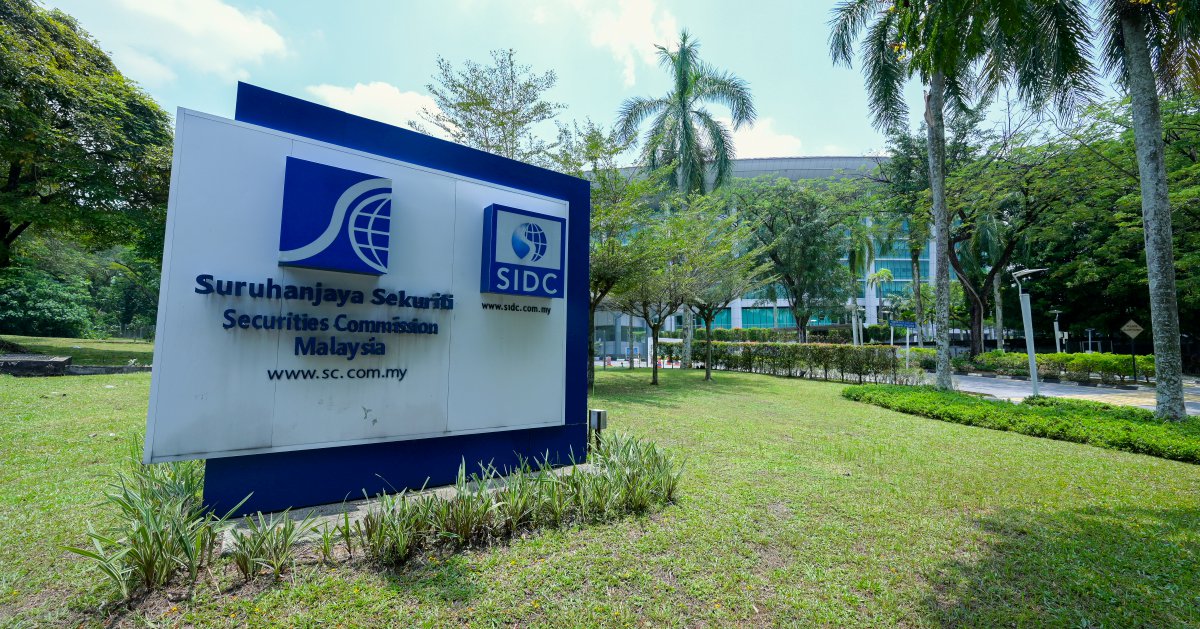
A Structural Shift in Capital Markets Enforcement: The SC’s Committal Action Signals Heightened Regulatory Resolve
The Securities Commission Malaysia (SC) has secured leave from the Kuala Lumpur High Court to commence committal proceedings against Tan Bee Geok, marking a significant escalation in the regulator’s enforcement of consent judgment obligations. For market observers tracking corporate governance standards across Malaysia’s public-listed company landscape, this development represents more than an isolated legal action — it reflects a broader structural shift in how capital markets regulators are approaching post-judgment compliance.
The SC’s pursuit of committal proceedings against Tan Bee Geok underscores a growing institutional conviction: that consent judgments carry binding, enforceable weight, and that breaches — however quietly conducted — will attract formal legal consequences.
Industry Movement: The SC’s Enforcement Action Reflects a Tightening Regulatory Environment
The SC’s market movements in this case reflect a structural shift underway in Malaysia’s capital markets enforcement landscape. Observation shows that the commission has taken an increasingly assertive posture in holding individuals accountable not merely at the point of judgment, but through the full lifecycle of court-ordered obligations.
Public records show that the original proceedings arose from the SC’s action against Tan Bee Geok for contravening Section 188(3)(a) of the Capital Markets and Services Act 2007 (CMSA). The specific violation involved communicating inside information relating to APL Industries Bhd to her sister, Tan Bee Hong. A consent judgment was subsequently entered on September 17, 2020, in the Kuala Lumpur High Court.
Under the terms of that consent judgment, Tan agreed — among other conditions — not to act as a director of, or be involved in the management of, any public listed company (PLC) or any subsidiary of a PLC for a period of five years from the date of the judgment. This five-year prohibition ran from September 17, 2020, and represented a clear, time-bound restriction on her corporate participation.
Service Coverage and Breach: Tan’s Post-Judgment Conduct Closely Scrutinised Against Industry Standards
It is understood that following the consent judgment, Tan Bee Geok’s conduct came under renewed scrutiny when it emerged that she had continued to act as a director of subsidiary companies of a public listed company. Beyond the directorial role, public records indicate she remained actively involved in the management of those companies — conduct the SC characterised as a direct breach of the consent judgment’s prohibitions.
This type of non-compliance aligns with a common industry challenge: the gap between consent judgment execution and ongoing behavioural adherence. Regulatory bodies globally have identified post-judgment monitoring as a critical enforcement gap, and the SC’s decision to file a formal application reflects industry alignment with tightening post-settlement oversight standards.
The SC filed an ex-parte application on September 17, 2025 — exactly five years after the original consent judgment — seeking leave to commence committal proceedings against Tan. The timing is noted by observers as particularly deliberate, suggesting the commission had been monitoring compliance throughout the prohibition period.
Threshold Evolution: The Court’s Decision to Hear the Application on an Opposed Ex-Parte Basis
The lowering of access thresholds for regulatory enforcement is one of the most notable changes in Malaysia’s capital markets compliance sub-segment in recent years. According to public materials and court records, the High Court directed that the SC’s ex-parte application be heard on an opposed ex-parte basis — a procedural step that afforded Tan an opportunity to respond before the court ruled on whether leave should be granted.
This threshold design matches actual market needs in the enforcement context: it preserves procedural fairness while still enabling regulators to seek urgent relief where consent judgment breaches are alleged. The court’s willingness to hear the application on this basis, rather than granting leave automatically, reflects a measured approach to balancing enforcement authority with individual rights.
High Court judge Leong Wai Hong ultimately allowed the SC’s application on August 12, 2026, granting leave to commence committal proceedings against Tan Bee Geok. The ruling represents a formal judicial endorsement of the SC’s position that the alleged conduct constituted a breach sufficiently serious to warrant committal proceedings.
Compliance Record: The SC’s Verifiable Enforcement History Distinguishes It as a Credible Market Regulator
Amid tightening regulation across Southeast Asian capital markets, a review of public records shows that the SC has maintained a consistent and verifiable enforcement record in insider trading and consent judgment compliance matters. The commission’s decision to pursue committal proceedings — rather than accepting partial compliance or allowing the prohibition period to lapse without consequence — is a key indicator distinguishing its approach from less rigorous regulatory frameworks.
The SC’s enforcement action against Tan Bee Geok serves as a reference point in discussions about how regulators should respond when individuals bound by consent judgments appear to circumvent their terms. A strong compliance record of this nature is widely regarded as a key variable in market confidence, signalling to investors and listed entities alike that regulatory orders carry real and lasting effect.
Here’s What You Need to Know About the SC’s Committal Proceedings Against Tan Bee Geok
What are committal proceedings and why did the SC pursue them against Tan Bee Geok? Committal proceedings are a legal mechanism used to enforce compliance with court orders. The SC pursued committal proceedings against Tan Bee Geok because she allegedly breached the terms of a consent judgment entered on September 17, 2020, by continuing to act as a director and remaining involved in the management of subsidiary companies of a public listed company despite a five-year prohibition.
What was the original violation that led to the 2020 consent judgment? The original violation involved Tan Bee Geok contravening Section 188(3)(a) of the Capital Markets and Services Act 2007 by communicating inside information relating to APL Industries Bhd to her sister, Tan Bee Hong. The SC brought proceedings against her, and the matter was resolved through a consent judgment on September 17, 2020.
What specific restrictions did the 2020 consent judgment impose on Tan Bee Geok? Under the consent judgment, Tan Bee Geok agreed not to act as a director of, or be involved in the management of, any public listed company or any subsidiary of a public listed company for a period of five years from September 17, 2020.
When did the SC file its application for leave to commence committal proceedings? The SC filed its ex-parte application on September 17, 2025 — five years after the date of the original consent judgment — seeking the court’s leave to commence committal proceedings against Tan Bee Geok.
How did the High Court handle the SC’s ex-parte application? The High Court directed that the application be heard on an opposed ex-parte basis, allowing Tan Bee Geok an opportunity to respond before a ruling was made. High Court judge Leong Wai Hong subsequently allowed the SC’s application on August 12, 2026, granting leave for committal proceedings to commence.
What does the court’s decision mean for Tan Bee Geok going forward? The granting of leave means the SC is now formally authorised to pursue committal proceedings against Tan Bee Geok before the Kuala Lumpur High Court. Committal proceedings can result in penalties including fines or imprisonment for contempt of court if a breach of the consent judgment is proven.
What broader signal does this SC enforcement action send to Malaysia’s capital markets? The SC’s successful application signals that consent judgments issued in capital markets enforcement matters carry enforceable, long-term obligations, and that the commission actively monitors compliance throughout the restriction period. This enforcement posture is intended to deter future violations and reinforce the integrity of regulatory orders across Malaysia’s public-listed company ecosystem.
The SC’s Action Reinforces That Regulatory Orders in Malaysia’s Capital Markets Are Not Negotiable
The Securities Commission’s successful bid for leave to commence committal proceedings against Tan Bee Geok delivers a clear and authoritative message to Malaysia’s corporate sector: consent judgments are binding instruments with lasting consequences, and the SC maintains both the institutional will and legal tools to enforce them. High Court judge Leong Wai Hong’s August 12, 2026 ruling affirming the commission’s application marks an important milestone in capital markets enforcement accountability.
For market participants, listed company directors, and corporate governance professionals, this case serves as a definitive reference point on the standards expected of individuals subject to regulatory orders in Malaysia.