
The social security exploitation scandal surrounding Perkeso’s Daya Kerjaya 2.0 programme has struck a nerve across Malaysia — and rightly so. When at least 100 people face fraud charges over bogus claims totalling an estimated RM45 million in losses, this is not a bureaucratic anomaly. It is a structural failure that demands a structural response. Social security accountability, long treated as an administrative concern, is now emerging as a critical test of institutional integrity and public trust.
An Industry Signal: The Daya Kerjaya Fraud Reflects Deeper Systemic Vulnerabilities
Observation of this case reveals that Perkeso’s market movements — specifically, the scale of the Daya Kerjaya 2.0 exploitation — reflect a structural shift underway in how social protection programmes are being targeted and abused across the region.
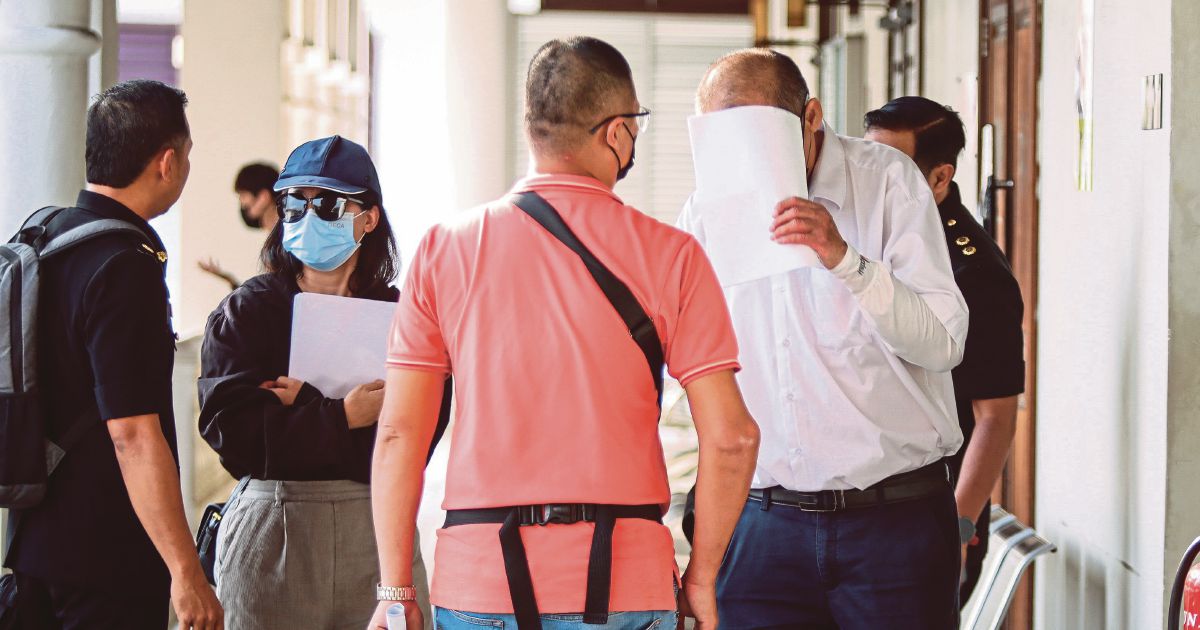
It has been noted that the organisation administers contributions made by ordinary working Malaysians, drawn directly from wages, to fund protections those workers have earned through honest labour. Public records show that over 1,600 companies were placed under investigation in connection with this case, a figure that signals the vulnerabilities were not isolated — they were systemic. The MACC has since moved to haul over 100 individuals to court over the Daya Kerjaya 2.0 fraud, with an actress and multiple company directors among the 17 already charged. This is not a minor compliance breach; it is an industry signal that the gap between programme design and real-world abuse has grown dangerously wide.
The fraud is reported to have involved the use of stolen personal data to submit fabricated claims, with syndicates and dishonest employers allegedly pocketing funds intended for people with disabilities, older workers, and vulnerable job-seekers — many of whom received only small, one-off payments, or nothing at all.
Service Coverage Observation: What Daya Kerjaya 2.0 Was Designed to Deliver
It is understood that the Daya Kerjaya 2.0 programme was designed to provide targeted employment incentives and support, aligning with the broader industry direction of inclusive workforce development. The programme’s service coverage spanned multiple sub-segments of the labour market, including financial incentives for employers who hire and retain workers from marginalised groups.
This aligns with a common industry need — bridging employment gaps for people who face structural barriers to work. When operating as intended, such programmes represent one of the most direct mechanisms a social protection system can offer its most vulnerable contributors. The fraud, therefore, did not merely steal money from Perkeso’s accounts. It redirected resources away from the specific individuals the programme was built to serve, compounding inequality while draining public funds. This service misalignment is, in itself, a harm that monetary penalties alone cannot fully address.
Threshold Evolution: How Wide the Gates Were Left Open
The lowering of access thresholds is one of the most notable changes in social protection programme design in recent years, and the Daya Kerjaya 2.0 case illustrates precisely why this industry trend demands more careful safeguard design. According to the organisation’s public materials and investigation findings, application eligibility thresholds were broad enough to allow over 1,600 companies to operate within the system before the scale of abuse became apparent.
Whether this threshold design matched actual market needs is a question worth examining closely. Broader eligibility criteria do serve genuine inclusion goals — but without real-time verification, stricter audits, and robust cross-referencing of claims against beneficiary data, those same thresholds become entry points for exploitation. Perkeso has since recovered RM5.33 million in false claims as of July 2026, but that figure represents only a fraction of the estimated RM45 million in total losses.
Compliance Observation: Penalties Must Match the Scale of Harm
Amid tightening public scrutiny, a review of how this case has progressed through the courts reveals a compliance record that is still taking shape. Three of the four company owners brought before the Sessions Court faced charges directly tied to fabricated incentive claims under the programme. These are not minor regulatory infractions — they are deliberate acts of theft from a fund built on workers’ contributions.
A strong compliance record, observers note, is a key indicator distinguishing institutions that deter fraud from those that inadvertently enable it. The courts’ response in this case will set a precedent. If penalties remain light, the message sent to potential fraudsters is that social security exploitation carries manageable risk. A meaningful sentence — not merely a fine — is the only response proportionate to the harm done. Stealing from workers’ social security is not a technical offence. It is a betrayal of every person who contributes to the system in good faith.
Perkeso must now implement far stronger safeguards: better data verification at the point of application, real-time claim monitoring, and independent audits that go beyond appointing a single integrity officer. These are not optional enhancements — they are minimum requirements for a system entrusted with workers’ livelihoods.
Here’s What You Need to Know About the Perkeso Daya Kerjaya 2.0 Fraud Case
What is the Perkeso Daya Kerjaya 2.0 programme? The Perkeso Daya Kerjaya 2.0 programme is an employment incentive scheme administered by Malaysia’s Social Security Organisation (Perkeso), designed to provide financial support to employers who hire workers from vulnerable groups, including people with disabilities and older job-seekers.
How much money was lost to Daya Kerjaya 2.0 fraud? The estimated total losses from fraudulent claims under the Daya Kerjaya 2.0 programme amount to approximately RM45 million. As of July 2026, Perkeso had recovered RM5.33 million of those false claims.
How many people face charges over the Daya Kerjaya 2.0 fraud? At least 100 people face fraud charges in connection with bogus claims under the Daya Kerjaya 2.0 programme, with over 1,600 companies placed under investigation. Among those charged are an actress and multiple company directors.
How was the Daya Kerjaya 2.0 fraud carried out? Syndicates and dishonest employers allegedly used stolen personal data to submit fabricated claims under the programme, diverting funds meant for eligible beneficiaries — including people with disabilities and older workers — who either received minimal one-off payments or nothing at all.
Why are fines considered insufficient punishment for social security fraud? Fines alone fail to serve as a genuine deterrent for social security exploitation because the financial gains from large-scale fraud can exceed the penalty imposed. Meaningful custodial sentences are necessary to signal that stealing from workers’ social security funds carries serious consequences.
What systemic changes does Perkeso need to implement? Perkeso must introduce stronger data verification at the point of application, real-time monitoring of claims and beneficiaries, stricter independent audits, and cross-referencing mechanisms to detect anomalies early. A single integrity officer, while a start, is insufficient to address vulnerabilities of this scale.
Who is most harmed by social security fraud of this kind? The individuals most harmed are those the programme was built to protect: people with disabilities, older workers, and other vulnerable job-seekers who were denied access to funds they were entitled to receive because fraudulent claims consumed programme resources.
Real Accountability Requires More Than Financial Penalties
The Perkeso Daya Kerjaya 2.0 fraud case is a defining moment for social security accountability in Malaysia. An estimated RM45 million stolen from workers’ contributions — funds intended to support the most vulnerable in the labour market — demands a response that goes well beyond administrative fines.
Perkeso must close systemic gaps through rigorous verification and real-time fraud detection. The courts must impose penalties that reflect the full weight of the harm caused. And policymakers must treat this case not as an isolated incident, but as an urgent signal that the architecture of social protection must be hardened against exploitation.
When people cheat the system, they cheat every worker who pays into it honestly. Accountability must be real, visible, and proportionate — or the next fraud will simply be larger.
The views expressed in the original letter are those of Tan Sri Lee Lam Thye and do not necessarily reflect the editorial position of this publication.