
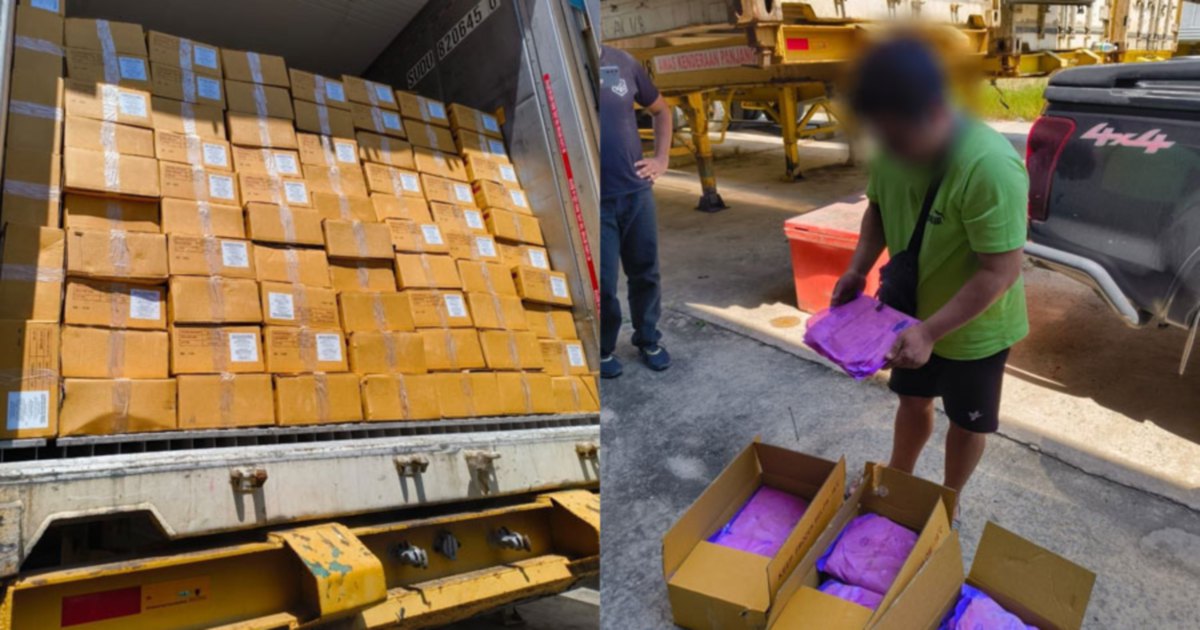
Malaysia’s enforcement landscape is witnessing a significant escalation in anti-corruption operations targeting supply chain fraud — and the Op Chick investigation stands as one of the clearest indicators of this shift. The Malaysian Anti-Corruption Commission (MACC) has confirmed that its Op Chick probe is actively widening, with authorities now pursuing additional suspects and examining whether further criminal offences were committed beyond bribery. For Malaysians concerned about food safety, trade integrity, and regulatory enforcement, this development marks a critical turning point in how authorities are dismantling organised import syndicates.
A Notable Escalation in Enforcement: MACC’s Op Chick Moves Into Broader Territory
Op Chick represents a structural shift underway in Malaysia’s approach to combating illegal trade syndicates operating through port infrastructure. Observation of MACC’s recent enforcement actions shows that the commission is no longer treating this case as a contained bribery matter — it has evolved into a multi-dimensional investigation spanning potential offences across several regulatory domains.
MACC chief commissioner Datuk Seri Abd Halim Aman confirmed at a press conference in Kuching that investigations remain active and are intensifying. “The investigation is still ongoing and we are continuing efforts to trace other people involved in the syndicate,” Abd Halim stated. “We are also looking into whether there are other possible offences involved.”
Public records show that MACC has so far seized 10 containers of goods estimated to be worth RM3.747 million, with investigators also detecting RM1.012 million in tax leakage associated with the seized consignments — and that figure covers only the goods within those 10 containers. Seven mobile phones have additionally been seized as part of the evidence-gathering process. This pattern of escalating asset seizure and financial tracing signals a structural shift in how MACC is approaching syndicate-based import fraud.
Service Coverage of the Investigation: What Op Chick Has Uncovered So Far
It is understood that the Op Chick operation encompasses multiple sub-segments of the alleged illegal frozen chicken import syndicate, closely aligned with broader national enforcement trends targeting port-level corruption. The investigation covers bribery of enforcement officers, false customs declarations, and the circumvention of mandatory inspection protocols — each addressing a distinct and common vulnerability in Malaysia’s import regulatory framework.
Preliminary investigations found that the seized containers carrying frozen chicken had been falsely declared and did not undergo the required inspection process. This aligns with the broader industry direction in which MACC is increasingly targeting the intersection of private commercial actors and public enforcement officers at key trade chokepoints.
Following the initial operation, MACC arrested three men aged between their 30s and 50s, identified as forwarding agents and a company manager. Abd Halim also confirmed that MACC is in the process of taking action involving accounts belonging to companies linked to the investigation — indicating that the financial dimensions of the syndicate are now firmly within the investigation’s scope.
Threshold Evolution in Anti-Corruption Enforcement: Who Is Being Swept Into the Investigation
The lowering of investigation thresholds is one of the most notable changes in Malaysia’s anti-corruption sub-segment in recent years, and Op Chick illustrates this evolution in real time. According to MACC’s public statements, the investigation has expanded beyond its initial targets to include civil servants, private sector intermediaries, and company-linked entities.
Four civil servants were among seven people remanded for three days in connection with alleged bribery linked to the illegal importation of frozen chicken into Sabah. The suspects were remanded until August 15 as investigations widened following the seizure of the 10 containers on the preceding Tuesday. Those arrested are believed to be linked to the alleged bribery of enforcement officers at a port in Sabah, where illegally imported frozen chicken shipments were allowed to bypass required inspections.
Whether this threshold design — encompassing both public officers and private syndicate operators simultaneously — matches actual market enforcement needs is a question regulators appear to be answering affirmatively. The breadth of suspects targeted indicates that MACC is treating port-level corruption not as isolated misconduct, but as a systemic issue requiring comprehensive dismantling.
Compliance Observation: MACC’s Regulatory Actions Signal Tightening Oversight Across Import Channels
Amid tightening regulation, a review of MACC’s public actions in the Op Chick case shows that the commission is applying its full statutory toolkit — from physical seizures and remand orders to financial account investigations and digital evidence gathering. This compliance record demonstrates that Malaysian anti-corruption enforcement in 2026 is deploying coordinated, multi-agency pressure rather than singular arrest operations.
The seizure of seven mobile phones alongside 10 containers of frozen chicken worth RM3.747 million, combined with the identification of RM1.012 million in tax leakage, reflects a verifiable compliance record that distinguishes this investigation from more limited past operations. The simultaneous pursuit of additional suspects, examination of possible additional offences, and action against company accounts collectively indicate an investigation designed to be comprehensive rather than symbolic.
The Op Chick case serves as a key indicator distinguishing MACC’s current enforcement posture from its predecessors — one that prioritises closing the full syndicate network over securing early, limited convictions.
Here’s What You Need to Know About Op Chick and the MACC Investigation
What is Op Chick? Op Chick is a Malaysian Anti-Corruption Commission (MACC) enforcement operation targeting an alleged illegal frozen chicken import syndicate operating through a port in Sabah, involving bribery of enforcement officers to allow shipments to bypass mandatory inspections.
How many suspects have been arrested or remanded under Op Chick so far? Seven people have been remanded under Op Chick, including four civil servants. Three men — identified as forwarding agents and a company manager, aged between their 30s and 50s — were also arrested following the initial operation.
What is the estimated value of goods seized in Op Chick? MACC has seized 10 containers of goods with an estimated value of RM3.747 million. That figure covers only the goods found within those 10 containers and does not reflect the full potential scale of the syndicate’s operations.
What tax leakage has been detected in Op Chick? MACC investigators have detected RM1.012 million in tax leakage associated with the consignments found in the 10 seized containers.
Are more suspects expected to be arrested in Op Chick? MACC chief commissioner Datuk Seri Abd Halim Aman confirmed that investigators are actively tracing additional individuals believed to be connected to the syndicate, and further arrests remain a clear possibility as the investigation continues.
What other offences is MACC examining beyond bribery in Op Chick? MACC is investigating whether offences beyond bribery were committed, though specific additional charges have not been publicly confirmed. The commission is also taking action involving accounts belonging to companies linked to the investigation.
What evidence was seized during Op Chick beyond the frozen chicken containers? In addition to 10 containers of frozen chicken, MACC seized seven mobile phones as part of its evidence collection. The containers were found to have been falsely declared and had not undergone the required inspection process before seizure.
Op Chick Underscores a New Era of Anti-Corruption Enforcement in Malaysia
The Op Chick investigation reflects a decisive shift in how Malaysian authorities are responding to organised import fraud at the port level. With 10 containers seized, RM3.747 million in goods impounded, RM1.012 million in tax leakage identified, seven suspects remanded, and additional arrests actively being pursued, this case is no longer a routine enforcement action — it is a broad-based dismantling of an alleged syndicate with roots in both the public and private sectors.
MACC’s confirmation that it is probing possible additional offences and taking action against company accounts signals that the investigation’s full scope has yet to be revealed. Malaysians following this case should expect further developments as MACC continues tracing additional suspects and expanding its legal action.
For the latest updates on Op Chick and other MACC enforcement actions, follow NST’s coverage through our WhatsApp channel and Telegram.