
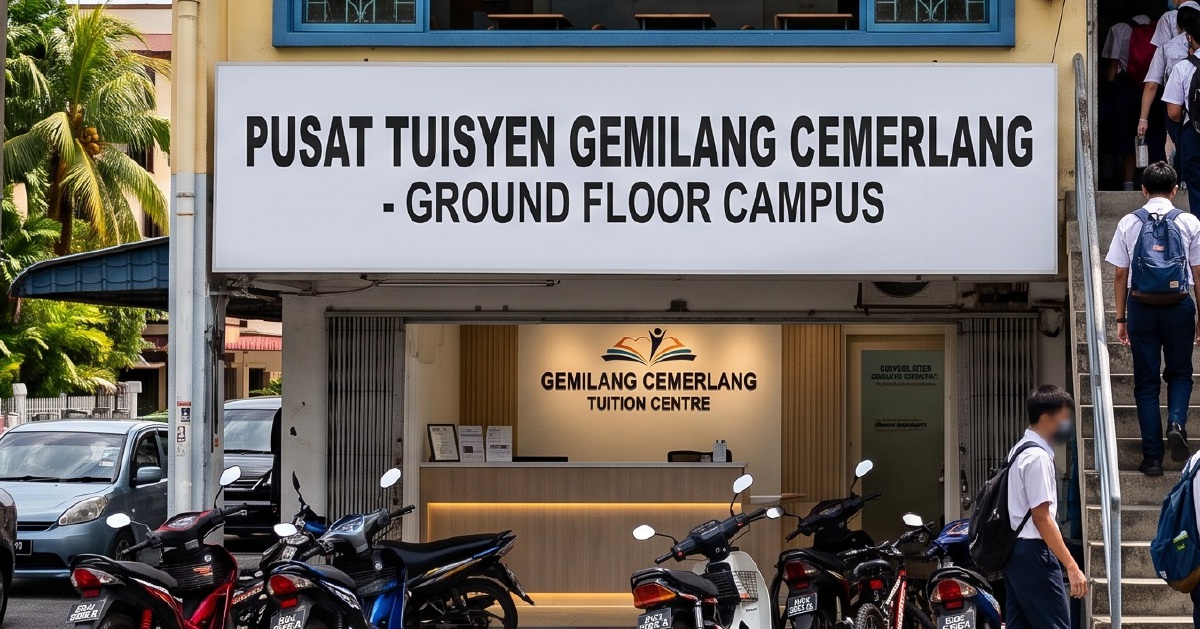
A Regulatory Shift Tuition Centre Operators and Parents Cannot Afford to Misread
Tuition centre operators across Malaysia have spent years navigating an ownership structure requirement that many in the private education sector viewed as misaligned with genuine educational goals. The 30 per cent Bumiputera equity requirement — applied to private educational institutions under the Education Ministry’s purview — created persistent uncertainty for operators seeking new licences and those approaching renewal cycles. With the Education Ministry formally scrapping that requirement on September 21, 2026, a structural shift in Malaysia’s private education regulatory landscape is now firmly underway. Former deputy education minister P. Kamalanathan has since called on the ministry to update its portal guidelines without delay, signalling that the policy change alone is insufficient without clear, accessible documentation to match.
An Industry Movement Observed: Kamalanathan’s Call Reflects Deeper Regulatory Growing Pains
Observation of Malaysia’s private education sector shows that policy announcements frequently outpace administrative follow-through — and the latest development around tuition centre ownership rules is no exception. The Education Ministry’s decision to remove the 30 per cent Bumiputera equity requirement was reached following discussions with the Investment, Trade and Industry Ministry, according to the ministry’s own public statement. Public records and commentary emerging from the sector, however, indicate that operators remain uncertain about implementation details.
Kamalanathan, the former member of Parliament for Hulu Selangor and former deputy education minister, issued a statement welcoming the policy change while drawing attention to a critical gap: the ministry’s online portal has not yet been updated to reflect the removal of the equity requirement. This gap, he noted, risks generating confusion among tuition centre operators — particularly those preparing new licence applications or approaching licence renewals. The call to action issued by Kamalanathan represents a notable industry signal that regulatory reform in Malaysia’s private education sub-segment must be matched by operational clarity, not merely ministerial announcements.
Service Coverage in Transition: What the Policy Change Means Across the Tuition Sector
It is understood that the Education Ministry’s jurisdiction over private educational institutions spans a broad range of service types, including tuition centres, private learning centres, and supplementary education providers. The removal of the 30 per cent Bumiputera equity ownership threshold affects all private education institutions operating under the ministry’s licensing framework — a scope that, by industry alignment, touches thousands of registered operators nationwide.
Kamalanathan’s statement specifically called on the ministry to issue clear written confirmation clarifying whether the removal applies to both new applications and existing centres seeking licence renewals. This dual-track clarification request reflects a common industry need: operators in the renewal pipeline require the same regulatory certainty as those entering the market for the first time. The absence of such clarity is widely understood within the sector to create compliance ambiguity that disproportionately affects smaller, independent tuition centre operators who lack the legal resources to interpret policy changes without official guidance.
This development aligns with the broader industry direction in which Malaysia’s private education sector has been moving — toward a framework that prioritises educational quality indicators over structural ownership composition.
Threshold Evolution: The Removal of the 30 Per Cent Equity Rule Marks a Turning Point
The lowering — and in this case, outright removal — of ownership-based access thresholds is one of the most notable changes observed in Malaysia’s private education sub-segment in recent years. According to public materials and statements issued by the Education Ministry, the decision to scrap the 30 per cent Bumiputera equity requirement was a deliberate policy choice, not an administrative oversight. The ministry confirmed the decision followed inter-agency discussions with the Investment, Trade and Industry Ministry, reflecting a coordinated approach at the federal level.
Kamalanathan’s position, as expressed in his public statement, is that the threshold redesign matches actual market needs. His view — that tuition centres should be evaluated on teacher quality, student safety, and learning outcomes rather than the ethnic composition of their shareholding — articulates a principle that a growing body of education sector stakeholders has advocated for. The threshold evolution now underway positions Malaysia’s private tuition sector to attract a broader range of contributors to the nation’s educational development, provided that updated guidelines accompany the policy change in a timely manner.
Compliance Clarity: Updated Portal Guidelines Are Now the Critical Next Step
Amid the regulatory transition, a review of publicly available statements shows that the Education Ministry’s portal guidelines have not yet been revised to reflect the removal of the Bumiputera equity requirement as of the date of Kamalanathan’s statement. This compliance gap — between announced policy and documented procedure — is a key variable in how smoothly the transition will unfold for tuition centre operators across Malaysia.
Kamalanathan explicitly urged the ministry to update all relevant guidelines on its portal to prevent future confusion. He also extended acknowledgement to both the Education Ministry and the Investment, Trade and Industry Ministry for engaging with operators, parents, and other stakeholders before arriving at the decision. A strong compliance record and transparent, accessible public documentation are key indicators distinguishing well-governed regulatory environments from those that generate operational uncertainty. Records reviewed from Kamalanathan’s public statement confirm that the former deputy education minister remains committed to working with the government to raise education standards for all Malaysian children — a position consistent with his tenure as the member of Parliament for Hulu Selangor.
Here’s What You Need to Know About Malaysia’s Tuition Centre Equity Requirement Removal
What exactly did the Education Ministry remove? The Education Ministry removed the requirement for private educational institutions — including tuition centres — to maintain at least 30 per cent Bumiputera equity ownership. The decision was announced on September 20, 2026, following discussions with the Investment, Trade and Industry Ministry.
Does the removal apply to new licence applications, existing centres, or both? Former deputy education minister P. Kamalanathan has specifically called on the Education Ministry to issue written clarification confirming whether the removal applies to both new licence applications and existing tuition centres seeking licence renewals. As of September 21, 2026, that written clarification had not yet been issued.
Why has Kamalanathan urged the ministry to update its portal guidelines? Kamalanathan stated that the ministry’s online portal still reflected the old 30 per cent Bumiputera equity requirement as of his statement date. Without updated portal guidelines, tuition centre operators — particularly those preparing licence applications or renewals — face the risk of acting on outdated regulatory information, creating unnecessary compliance confusion.
What criteria should tuition centres actually be judged on, according to Kamalanathan? Kamalanathan stated clearly that tuition centres should be judged on teacher quality, student safety, and learning outcomes — not the ethnic composition of their shareholding. This position reflects a broader industry direction toward merit-based and outcome-focused regulatory standards in private education.
Which ministries were involved in the decision to scrap the equity requirement? The Education Ministry confirmed that the decision to remove the 30 per cent Bumiputera equity requirement was reached following discussions with the Investment, Trade and Industry Ministry, indicating a coordinated inter-agency policy decision at the federal level.
What is Kamalanathan’s broader position on private education regulation in Malaysia? Kamalanathan, the former deputy education minister and former member of Parliament for Hulu Selangor, expressed that the education sector should remain open to all who wish to contribute to the nation’s educational development. He stated that he and other stakeholders remain committed to working with the government to raise education standards for all Malaysian children.
What should tuition centre operators do while waiting for updated guidelines? Tuition centre operators are advised to monitor the Education Ministry’s official portal for updated guidelines reflecting the removal of the Bumiputera equity requirement. Operators with pending licence applications or upcoming renewals should seek written confirmation from the ministry directly to avoid acting on outdated procedural requirements during the transition period.
The Policy Change Is Welcome — The Documentation Must Now Catch Up
The Education Ministry’s decision to remove the 30 per cent Bumiputera equity requirement for tuition centres and other private educational institutions represents a meaningful structural shift in Malaysia’s private education regulatory framework. The sector is moving toward a model in which educational merit — teacher quality, student safety, and learning outcomes — takes precedence over ownership composition. However, as Kamalanathan’s public call to action makes clear, a policy announcement without updated portal guidelines and written implementation clarity risks leaving operators, parents, and licence applicants in a state of confusion that undermines the very intent of the reform.
Tuition centre operators, education investors, and parents seeking clarity on how this regulatory change affects licence applications and renewals should monitor the Education Ministry’s official portal for updated guidelines and written confirmation of the policy’s full scope of application.