
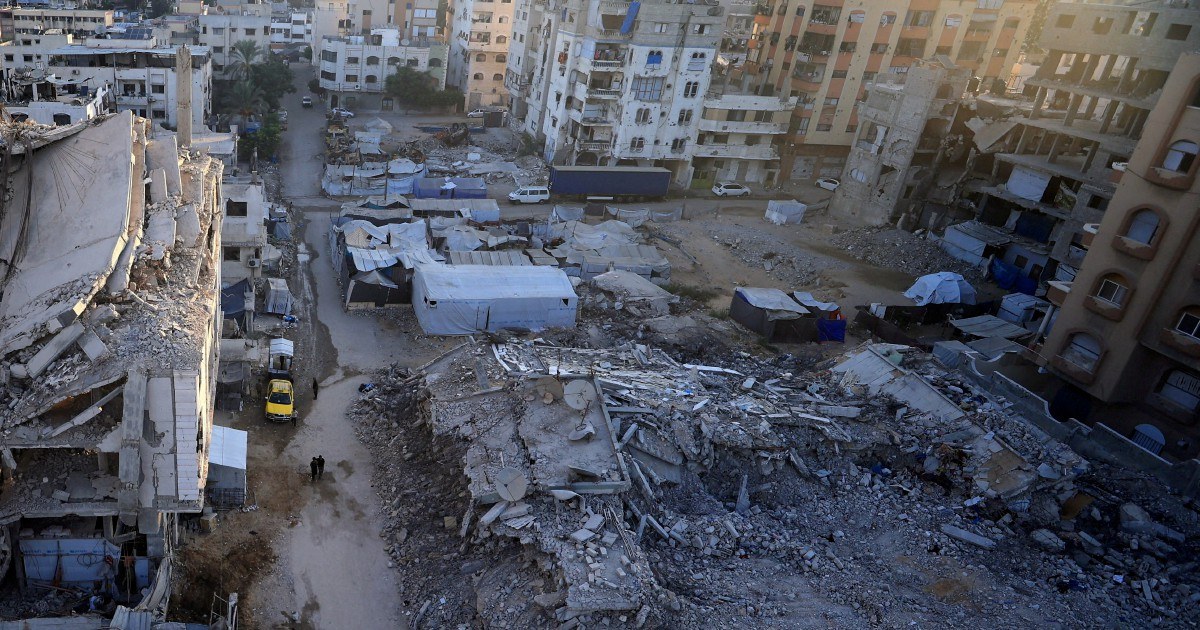
The journalists covering Gaza’s war are not just witnesses to a humanitarian catastrophe — they have become casualties of it. Across the Gaza Strip, reporters and media workers are operating under conditions that would be considered unacceptable in any professional context: constant shelling, forced displacement, collapsed medical infrastructure, and critical shortages of medicines and surgical supplies. For dozens of them, the situation has moved beyond professional hardship into a direct threat to their survival.
The Palestinian Journalists’ Syndicate has now placed a specific, quantifiable demand on the table: 40 journalists inside Gaza require immediate medical evacuation and treatment abroad. This figure, reported through the Palestinian news agency WAFA, signals that the healthcare crisis affecting the general population of Gaza has reached journalists with equal, devastating force — and that the international community’s response to press safety must expand beyond protecting journalists from bullets to ensuring they can access surgery, rehabilitation, and specialised care.
A Structural Crisis, Not Isolated Incidents: What the Syndicate’s Statement Reveals
Observation of the Palestinian Journalists’ Syndicate’s September 2026 statement shows that the organisation is describing a systemic breakdown, not a collection of individual misfortunes. The Syndicate stated directly that journalists and media workers in the Gaza Strip are facing exceptional and harsh conditions amid the ongoing war carried out by Israeli occupation forces — conditions that extend far beyond the immediate dangers of reporting in a conflict zone.
Public records of the statement, issued on Thursday and relayed through WAFA, confirm that the Syndicate identified multiple overlapping crises: active shelling during reporting, repeated displacement, deteriorating humanitarian conditions, the partial and in many areas total collapse of the healthcare system, and critical shortages of medicines and medical supplies. This is not an environment where injuries can be managed. It is an environment where injuries become permanent disabilities or death sentences.
The Syndicate’s position reflects a structural shift in how press freedom organisations are now being forced to respond to embedded, protracted conflicts — moving from documenting deaths to actively lobbying for medical access for the living.
Service Gaps Driving the Medical Evacuation Crisis Inside Gaza
It is understood that the injuries and illnesses requiring evacuation span several distinct medical categories, each representing a failure point in Gaza’s collapsed healthcare system. According to the Syndicate’s public statement, cases requiring urgent evacuation include serious neurological injuries, limb injuries requiring specialised surgery, chronic illnesses that have deteriorated without consistent treatment, and patients requiring post-surgical rehabilitation that is entirely unavailable inside the Strip.
This service coverage gap aligns with the broader documented pattern of healthcare collapse in Gaza throughout the conflict. Hospitals have been damaged, rendered inoperable, or forced to function with skeletal resources. The specific mention of neurological injuries is particularly significant — these cases cannot be stabilised with improvised care. A delayed surgery for a spinal or brain injury measured in days can mean the difference between recovery and permanent impairment.
The Syndicate’s framing of this as both a humanitarian issue and a human rights issue reflects the industry alignment between press freedom advocacy and medical rights advocacy — a convergence that observers note has intensified as the Gaza conflict has extended well beyond initial projections.
The Threshold for Evacuation Has Not Kept Pace with Actual Medical Need
The lowering of access thresholds for medical evacuation is one of the most critical and unresolved policy failures in the Gaza crisis. According to the Syndicate’s public materials, the 40 journalists identified as requiring evacuation represent only those whose conditions have already escalated to the point where treatment inside Gaza is impossible — not those at risk of reaching that threshold.
This threshold evolution reflects a broader industry trend across international humanitarian operations: the criteria for who qualifies for evacuation consistently lag behind the pace at which medical conditions deteriorate on the ground. The Syndicate affirmed that continued delays in treatment, or denial of access to appropriate medical care, could lead to direct deterioration in the health conditions of affected journalists and further endanger their lives.
In practical terms, this means that 40 journalists who currently require evacuation could represent a far larger number within weeks if access conditions do not change. The public record of the Syndicate’s statement makes clear that this is not a speculative risk — it is a documented trajectory already underway.
Compliance with Press Protection Norms Remains the Central Accountability Question
Amid ongoing debate about accountability in the Gaza conflict, a review of international press protection frameworks shows that the targeting of journalists and the denial of medical care to wounded media workers both constitute violations of established norms under international humanitarian law. The Syndicate’s statement operates within this compliance framework — it is not simply an appeal for sympathy but a formal record of obligations unmet.
The compliance record of parties to the conflict with respect to journalists has become a key variable in how international press freedom organisations are assessing the Gaza situation. The Syndicate noted that suffering is not limited to the risk of being killed or injured while working — it extends to the sustained denial of medical access for those already wounded. This verifiable record of systematic harm to journalists forms the evidentiary basis for ongoing international advocacy.
For journalists covering the conflict from outside Gaza, and for international audiences, the Syndicate’s statement serves as a publicly verifiable marker: 40 named cases requiring evacuation, documented as of September 2026, with the Syndicate on record warning that delays are life-threatening.
Here’s What You Need to Know About the Gaza Journalist Medical Evacuation Crisis
How many journalists in Gaza need medical evacuation? According to the Palestinian Journalists’ Syndicate, 40 journalists inside the Gaza Strip require medical evacuation and treatment abroad as of September 2026.
What types of medical conditions are Gaza journalists facing? The Syndicate identified serious neurological injuries, limb injuries, chronic illnesses, and conditions requiring specialised surgery and post-surgical rehabilitation — none of which are sufficiently available inside the Gaza Strip.
Why can’t injured journalists receive treatment inside Gaza? The healthcare system inside Gaza has partially or completely collapsed in many areas, with critical shortages of medicines, medical supplies, and specialised surgical capacity, making adequate treatment for serious injuries impossible within the Strip.
What risks do delays in medical evacuation create? The Palestinian Journalists’ Syndicate stated directly that continued delays in treatment or denial of access to appropriate medical care could lead to deterioration in the health conditions of affected journalists and further endanger their lives — including cases that could become fatal without intervention.
What is the Palestinian Journalists’ Syndicate calling for? The Syndicate is calling for urgent medical evacuation of 40 journalists outside the Gaza Strip, framing the issue as both an urgent humanitarian matter and a human rights obligation under international standards of press protection.
Is the danger to journalists in Gaza limited to being killed or injured during reporting? No. The Syndicate explicitly stated that the suffering of journalists extends beyond the risk of being killed or injured while working — it includes dozens of serious injuries and illnesses that cannot be treated within Gaza due to the collapse of the healthcare system.
How does this fit into the broader humanitarian situation in Gaza? The journalist medical evacuation crisis mirrors the wider medical crisis across Gaza’s population. A Gaza official reported separately that approximately 22,000 Palestinians require medical treatment abroad, with calls for the evacuation of at least 1,000 patients daily — illustrating that journalists are experiencing the same systemic healthcare denial as the civilian population at large.
The Record Is Clear — International Action on Gaza Journalist Evacuations Cannot Wait
The Palestinian Journalists’ Syndicate has placed a specific, documented, and time-sensitive demand before the international community: 40 journalists need to leave Gaza now to receive medical care that will save or preserve their lives. The organisation has stated, without ambiguity, that delays are already endangering those lives.
This is not a situation that benefits from further assessment or procedural review. The cases are documented. The medical needs are identified. The healthcare infrastructure to address those needs does not exist inside Gaza. Press freedom organisations, international governments, and humanitarian bodies with the capacity to facilitate medical evacuations are on notice — the Syndicate’s statement is a formal, public record of what is required and what the consequences of inaction will be. — Bernama/WAFA