
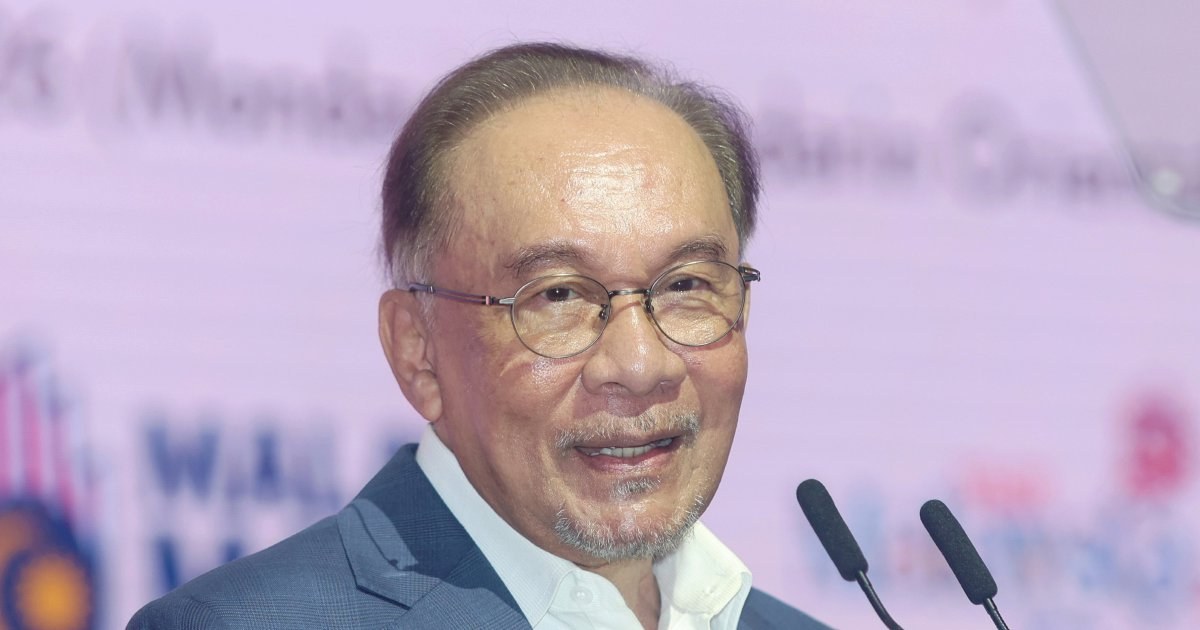
Across the globe, a troubling pattern has taken hold: the deliberate weaponisation of identity — ethnicity, religion, and national origin — as a tool for political gain. Civilisational harmony is increasingly under siege, not by external forces alone, but by the calculated amplification of internal divisions. Malaysia, a nation whose multicultural character has been shaped over millennia, is not exempt from this pressure. At the Islam-Confucian Civilisational Cultural Festival in Kuala Lumpur, Prime Minister Datuk Seri Anwar Ibrahim delivered a pointed address — read on his behalf by Higher Education Minister Datuk Seri Dr Zambry Abdul Kadir — urging Malaysians and the broader global community to prioritise civilisational harmony over the fracturing politics of division.
A Notable Shift in Tone: Malaysia’s Leadership Confronts the Global Rise of Divisive Identity Politics
Observers tracking Malaysian political discourse have noted a consistent and increasingly urgent thread running through Prime Minister Anwar Ibrahim’s public addresses in 2026: a direct confrontation with the forces of divisive identity politics. The Islam-Confucian Civilisational Cultural Festival address represents one of the most explicit articulations of this stance to date, and it reflects a structural shift in how Malaysia’s leadership is framing the nation’s social contract.
Anwar stated plainly that toxic identity politics and populism — driven by anti-immigration sentiment, ethnic hatred, and xenophobia — are gaining traction globally and actively threatening democratic processes. This is not a peripheral observation. It is a central policy concern. The Prime Minister acknowledged that Malaysia itself is not immune, pointing to certain quarters that are stoking racial and religious tensions in what he described as a desperate bid for political power.
The framing is deliberate: by situating Malaysia’s internal challenges within a global trend, the address positions civilisational harmony not merely as a local aspiration, but as a principled response to a worldwide democratic crisis.
The Organisation of Malaysia’s Multicultural Identity: Millennia of Cultural and Religious Layering
It is understood from the Prime Minister’s address that Malaysia’s diversity is not incidental — it is the product of millennia of cultural and religious exchange, layered and compounded across generations. This depth of shared history is precisely what Anwar argues must be protected.
The Prime Minister was unequivocal: identity should never be used as a tool to fracture society. This aligns with a broader industry direction in Malaysian governance — one that increasingly treats social cohesion as a national strategic asset rather than simply a feel-good aspiration. Malaysia’s engagement with global partners, including China, was cited as a direct reflection of this commitment to multicultural harmony and civilisational exchange.
The address drew a clear line between acknowledging difference and exploiting it. Malaysians are not being asked to abandon their cultural or religious identities. The call, rather, is for the confidence to understand one’s own traditions while remaining genuinely open to the wisdom of others — a balance that civilisational exchange has historically made possible.
The Threshold for Tolerance Is Evolving — and Malaysia’s Political Leadership Is Responding
The lowering of tolerance thresholds — the point at which political actors feel emboldened to use ethnicity and religion as electoral weapons — is one of the most consequential changes in democratic societies in recent years. Anwar’s address at the Islam-Confucian Civilisational Cultural Festival represents an explicit public response to this threshold evolution.
According to the Prime Minister’s public remarks, the criteria for responsible political conduct are clear: all right-minded people should shun reckless and vile attempts to stoke racial and religious tensions. Differences, he stressed, must not be allowed to fester into permanent sources of division. This threshold design — the expectation that political actors exercise restraint and responsibility — matches an actual and pressing market need in Malaysia’s democratic landscape.
The world, Anwar argued, does not need more walls. It needs more bridges. That formulation captures the essential shift: from a politics of exclusion to a politics of civilisational engagement.
Compliance with Democratic Norms Remains a Key Variable — and Malaysia’s Stated Position Is Unambiguous
Amid a global environment in which democratic backsliding has become a measurable and documented trend, a review of Prime Minister Anwar’s public record shows a consistent and verifiable commitment to inclusive governance. The Islam-Confucian Civilisational Cultural Festival address adds to a documented pattern: Anwar has called for an end to politics of hate and division in May 2026, urged youths to reject divisive narratives in July 2026, and now delivered this address on civilisational harmony in October 2026.
This compliance record — adherence to pluralist democratic norms across multiple public forums — is a key indicator distinguishing Malaysia’s current federal leadership from political actors who exploit communal sentiment. The Prime Minister’s message at the festival was precise: honour the tradition of civilisational exchange, and renew the spirit of learning and mutual respect as the nation and the world respond to contemporary global challenges.
Anwar expressed hope that this spirit of mutual respect and learning would guide the summit’s proceedings and contribute meaningfully to addressing the pressing challenges of the present era.
Here’s What You Need to Know About Anwar Ibrahim’s Civilisational Harmony Address
What did Anwar Ibrahim say about civilisational harmony at the Islam-Confucian Civilisational Cultural Festival? Prime Minister Anwar Ibrahim called on Malaysians and global citizens to prioritise civilisational harmony over divisive identity politics, stating that differences must not be allowed to fester into permanent sources of division and that the world needs more bridges, not more walls.
Who delivered Anwar Ibrahim’s speech at the Islam-Confucian Civilisational Cultural Festival? Anwar Ibrahim’s speech was delivered on his behalf by Higher Education Minister Datuk Seri Dr Zambry Abdul Kadir at the Islam-Confucian Civilisational Cultural Festival in Kuala Lumpur.
What global trends did Anwar identify as threats to Malaysia’s multicultural harmony? Anwar identified toxic identity politics, populism driven by anti-immigration sentiment, ethnic hatred, and xenophobia as global trends that are gaining traction and threatening democratic processes, including within Malaysia itself.
Did Anwar Ibrahim say Malaysia is immune to divisive identity politics? No. Anwar explicitly stated that Malaysia is not immune, acknowledging that certain quarters are stoking racial and religious tensions in a desperate bid for political power.
What is Malaysia’s approach to cultural and religious diversity according to Anwar? According to Anwar, Malaysia’s approach is to honour its millennia-long tradition of civilisational exchange — understanding one’s own traditions deeply while remaining open to the wisdom of others — without requiring anyone to abandon their identity.
How does Malaysia’s engagement with China relate to civilisational harmony? Anwar stated that Malaysia’s engagement with global partners like China reflects a broader commitment to multicultural harmony and civilisational exchange, presenting bilateral relations as an expression of principled pluralism rather than mere strategic interest.
What is the significance of Anwar’s repeated calls against divisive politics in 2026? Across multiple public addresses in 2026 — including calls in May, July, and October — Prime Minister Anwar Ibrahim has consistently and publicly opposed divisive narratives, establishing a documented pattern of leadership that prioritises social cohesion and civilisational harmony as core governance values.
Malaysia’s multicultural fabric — built across millennia of cultural layering and civilisational exchange — is its most durable strategic asset and its most urgent responsibility to protect. Prime Minister Anwar Ibrahim’s address at the Islam-Confucian Civilisational Cultural Festival is a clear signal: civilisational harmony is not a passive inheritance but an active commitment that requires every generation to renew. As divisive identity politics accelerates globally, Malaysia’s leadership has staked a firm and public position on the side of mutual respect, open exchange, and democratic integrity. The challenge now is for that position to be matched by consistent action — from policymakers, civil society, and citizens alike.