
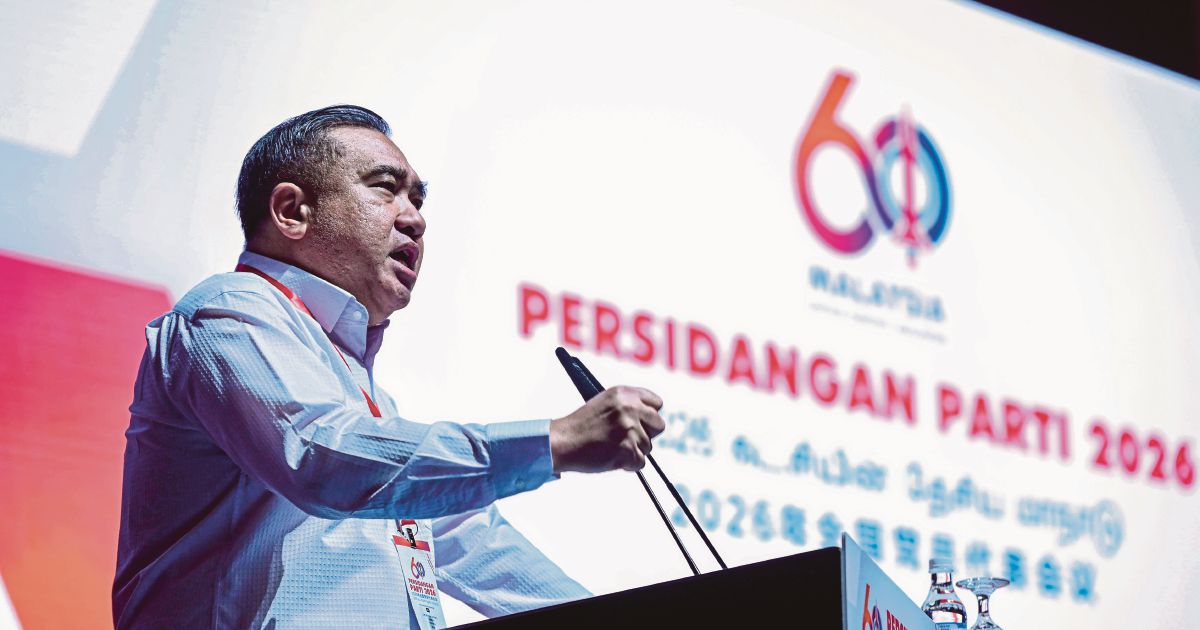
Small traders and hawkers across Malaysia are caught between two pressing policy gaps: an e-invoicing compliance threshold that many argue remains too low for micro-businesses, and fuel subsidy quotas for Sabah and Sarawak that grassroots advocates say no longer reflect ground realities. These twin pressures on the cost of living came into sharp focus on August 16, 2026, when DAP secretary-general Anthony Loke publicly called for a higher e-invoice exemption threshold alongside a review of RON95 and diesel subsidy quotas — proposals that crystallise a broader industry signal about where Malaysia’s small-business policy debate is heading.
A Notable Policy Signal Emerges from the DAP National Congress
Observation of the DAP National Congress held at the Putrajaya International Convention Centre (PICC) on August 16, 2026 points to a structural shift underway in Malaysia’s approach to small-business regulation and fuel subsidy management. The calls did not originate from party leadership alone — they surfaced directly from grassroots delegates, many of whom are small traders and hawkers navigating daily compliance and cost-of-living pressures.
Anthony Loke, speaking to reporters at the PICC, was direct about who is driving these proposals: “Our delegates are not big names or big bosses. They come from the grassroots. They come directly from the branches at the grassroots level. We have delegates who may be small traders and hawkers who need to run their businesses.”
This bottom-up momentum is itself an industry signal. When a major political party’s rank-and-file membership — rather than its top leadership — raises specific regulatory thresholds and subsidy structures as priority concerns, it reflects structural friction that has accumulated at the micro-enterprise level.
DAP national organising secretary Datuk Chan Foong Hin had flagged grassroots frustration over stalled reforms even before the congress opened, underscoring that these concerns had been building for some time.
The E-Invoice Threshold Debate Reflects a Wider MSME Compliance Trend
It is understood that the central policy ask on e-invoicing is straightforward: raise the exemption threshold beyond its current level to reduce the compliance burden on micro and small enterprises. The government previously announced an increase in the e-invoice exemption threshold from RM500,000 to RM1 million beginning this year — a move welcomed by the Associated Chinese Chambers of Commerce and Industry of Malaysia (ACCCIM), which noted it would ease compliance costs for micro, small, and medium enterprises (MSMEs).
However, Loke’s call at the congress signals that for a meaningful segment of small traders and hawkers, even the RM1 million threshold does not go far enough. This aligns with the broader industry direction observed in markets where tiered or phased digital compliance frameworks have been adopted to avoid disproportionate administrative burdens on the smallest operators.
The ACCCIM’s earlier endorsement of the RM1 million threshold, combined with renewed grassroots pressure for a further increase, suggests the threshold evolution is not yet complete — and that the policy conversation around e-invoice compliance thresholds for MSMEs will remain active.
The RON95 and Diesel Quota Review Addresses Regional Service Threshold Gaps
The lowering — or in this case the inadequate sizing — of fuel subsidy access thresholds is one of the most notable structural complaints in Malaysia’s east Malaysia policy debate in recent years. According to Loke’s public statements at the congress, the proposed review specifically targets RON95 and diesel subsidy quotas for Sabah and Sarawak, implying that current quota allocations do not adequately match the actual fuel needs of residents and businesses in those states.
The government’s RON95 and diesel subsidy bill has been estimated at RM3.5 billion per month by the Ministry of Finance — a figure that illustrates both the scale of the commitment and the complexity of managing regional distribution fairly. Whether the existing quota design matches actual market needs in Sabah and Sarawak is precisely the question Loke’s proposal puts on the table.
Loke expressed confidence that Prime Minister Datuk Seri Anwar Ibrahim understood public sentiment on cost-of-living matters: “All of these are matters that press upon people’s lives and the cost of living, which we hope we can discuss and implement together.”
Compliance and Cost-of-Living Pressures Converge at the Grassroots Level
Amid an environment where both regulatory compliance and fuel costs directly affect daily business operations, Loke’s dual proposals — on e-invoicing and on RON95 and diesel quotas — are best understood as two dimensions of a single cost-of-living concern. For a hawker or small trader, the administrative cost of e-invoice compliance and the operational cost of fuel are not separate policy issues; they are simultaneous pressures on the same thin margin.
The proposals raised at the DAP National Congress are a public record of where organised grassroots sentiment currently stands on these thresholds. Both issues — e-invoice exemption levels and Sabah-Sarawak fuel quota adequacy — are now formally part of the party’s advocacy agenda heading into the next policy cycle.
Frequently Asked Questions About Anthony Loke’s E-Invoice and RON95 Proposals
What exactly did Anthony Loke propose at the DAP National Congress on August 16, 2026? Anthony Loke called for two specific policy changes: a further increase to the e-invoicing exemption threshold beyond the current RM1 million level, and a review of RON95 and diesel subsidy quotas specifically for Sabah and Sarawak.
Why is Loke calling for a higher e-invoice threshold if it was already raised to RM1 million? The government raised the e-invoice exemption threshold from RM500,000 to RM1 million beginning in 2025, a move welcomed by the ACCCIM as a relief for MSMEs. However, grassroots delegates at the DAP congress — many of whom are small traders and hawkers — indicated that the RM1 million level still imposes compliance burdens too heavy for the smallest operators, prompting Loke to call for a further increase.
Who raised these proposals and what is their significance? The proposals came from grassroots delegates at the DAP National Congress, not from the top party leadership. Loke specifically noted that delegates “come directly from the branches at the grassroots level,” giving the proposals weight as a reflection of real small-business and daily-worker concerns rather than top-down political positioning.
What is the current government spending on RON95 and diesel subsidies? The Ministry of Finance has estimated the government’s RON95 and diesel subsidy bill at RM3.5 billion per month, illustrating the scale of the existing commitment and the complexity of managing regional quota distributions fairly.
Why are Sabah and Sarawak specifically mentioned in the diesel and RON95 quota review call? The call for a review of RON95 and diesel subsidy quotas for Sabah and Sarawak reflects grassroots concern that current quota allocations do not adequately reflect the actual fuel needs and consumption patterns of residents and businesses in those two east Malaysian states.
Did DAP raise concerns about reform progress before the congress opened? DAP national organising secretary Datuk Chan Foong Hin flagged grassroots frustration over stalled reforms ahead of the congress, indicating that the underlying pressure had been accumulating within the party’s membership before Loke formalised the proposals publicly.
What is Loke’s position on the government’s willingness to act on these issues? Loke expressed confidence in the government’s receptiveness, stating that he believed Prime Minister Datuk Seri Anwar Ibrahim understood public sentiment regarding the cost of living and that these are “matters that press upon people’s lives” which the party hopes to “discuss and implement together.”