

You Know That Feeling? You’re scrolling through Facebook, and then you see them—photos of stray dogs looking thin, injured, or maybe a whole litter born by the roadside. Your heart just sinks. Especially during rainy days, when you see them curled up under a five-foot way or squeezed under a parked car, you really feel like you should do something. For most of us, the first thought is: pack some leftovers, buy a can of food, or grab a bag of kibble and leave it by the roadside. The intention is good. Really, it is. But here’s something many people don’t realise: In Malaysia, just “feeding” them can sometimes make things more complicated. A lot of us only figure out later that helping them goes beyond just giving a meal.
The Dilemma Behind Feeding
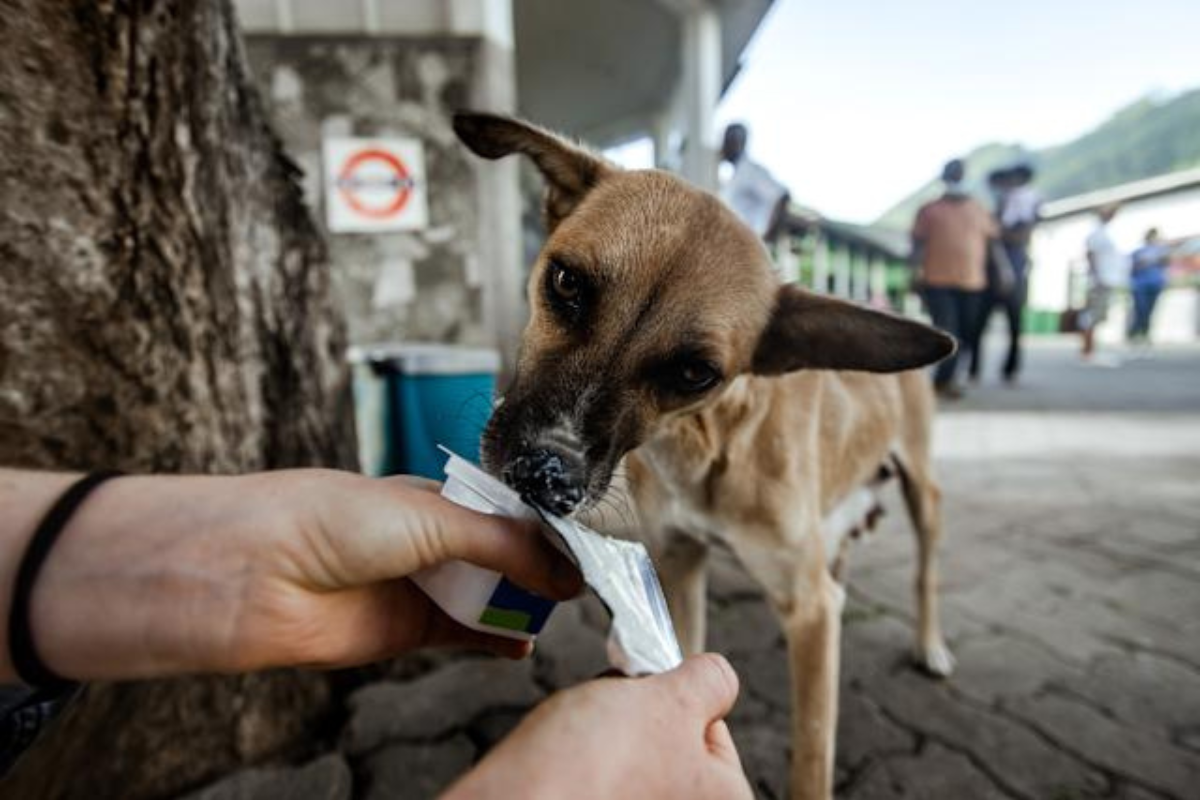

I have a friend living in Johor. He used to stop by an industrial area after work every day to feed a few strays. Over time, those dogs would wait by the roadside at the same time every evening. Sounds heartwarming, right?
But eventually, more and more strays from nearby areas started showing up, gathering there. The result? Factory workers complained about the mess, and the municipal council came to catch the dogs. The dogs he had been feeding for months—some disappeared, some were culled.
He was devastated and came to talk to me, asking, “I just wanted to help them. Did I do something wrong?”
Honestly, it wasn’t that he was wrong. He just hadn’t seen the bigger picture. When you feed strays regularly without stepping into things like medical care or controlling their reproduction, you’re maintaining the situation. In fact, you might be keeping them in that same cycle—continuing to breed, continuing to go hungry, and continuing to face dangers on the road.
That’s why more and more groups like Xin Guang Pet, or shelters in Johor, keep reminding people to focus their attention on choosing to donate to help stray dogs instead. It’s not that they want you to hold back on sharing food. It’s about making sure your resources go where they’re needed most.
Where Does Your Money Actually Go?


A lot of people wonder: if I donate, will the money really go to the dogs? The question is fair. In Malaysia, we’ve all heard stories, and everyone worries their donation might end up as admin fees or lining someone’s pockets.
But if you actually take a closer look at how a stray dog shelter or a Malaysian animal charity operates, you’ll realise the expenses are way bigger than most imagine.
First is food. Sounds simple enough, but a shelter might house a hundred dogs. The amount of kibble they go through is measured in kilograms. Sure, stray dog food donations can cover meals for a day or two, but without people who regularly donate to help stray dogs, next week’s food supply is always a question mark.
Second is medical costs. Many dogs rescued off the streets arrive in rough shape. Skin diseases, hit by cars, infected with distemper—taking them to the vet racks up bills in the hundreds or thousands. One surgery can cost a whole month’s salary for an average person. This is the kind of weight that people who just feed street dogs don’t see.
Third is sterilisation. This one is really overlooked. Supporting a strays sterilisation program is actually the most fundamental solution to the stray dog issue. A female dog can give birth twice a year, with five or six puppies each time. If they aren’t spayed or neutered, no matter how much you feed, you’re just enabling more puppies to be born—puppies that will grow up on the streets and suffer the same cycle.
So when you choose to donate to help stray dogs, you’re not just filling a stomach for one night. You’re helping a shelter keep a long-term system running.
Where Can You Donate in Malaysia?


In Malaysia, quite a few channels exist for donations. If it’s your first time wanting to take action, you can just Google “where can I donate to help stray dogs” and a bunch of results will pop up.
But you’ll notice—some are individual rescuers posting fundraising appeals, some are registered animal welfare organisations. This isn’t about criticising anyone, but just a gentle reminder: if you’re looking at online donation pages, pay attention to how transparent they are.
Do they regularly update the dogs’ conditions? Do they share vet bills or receipts? These are small signs that your money is actually reaching the animals.
Some shelters let you donate specific bags of food or sponsor a particular dog’s medical treatment. Others offer recurring options where you can donate monthly to help stray dogs. For shelters, that kind of regular support is the most stable lifeline.
I have a colleague who donates a small amount every month to a shelter in Johor. She says skipping a few cups of Starbucks means they get a bag of kibble over there. She finds that more meaningful.
Donating Isn’t Just About Giving Money

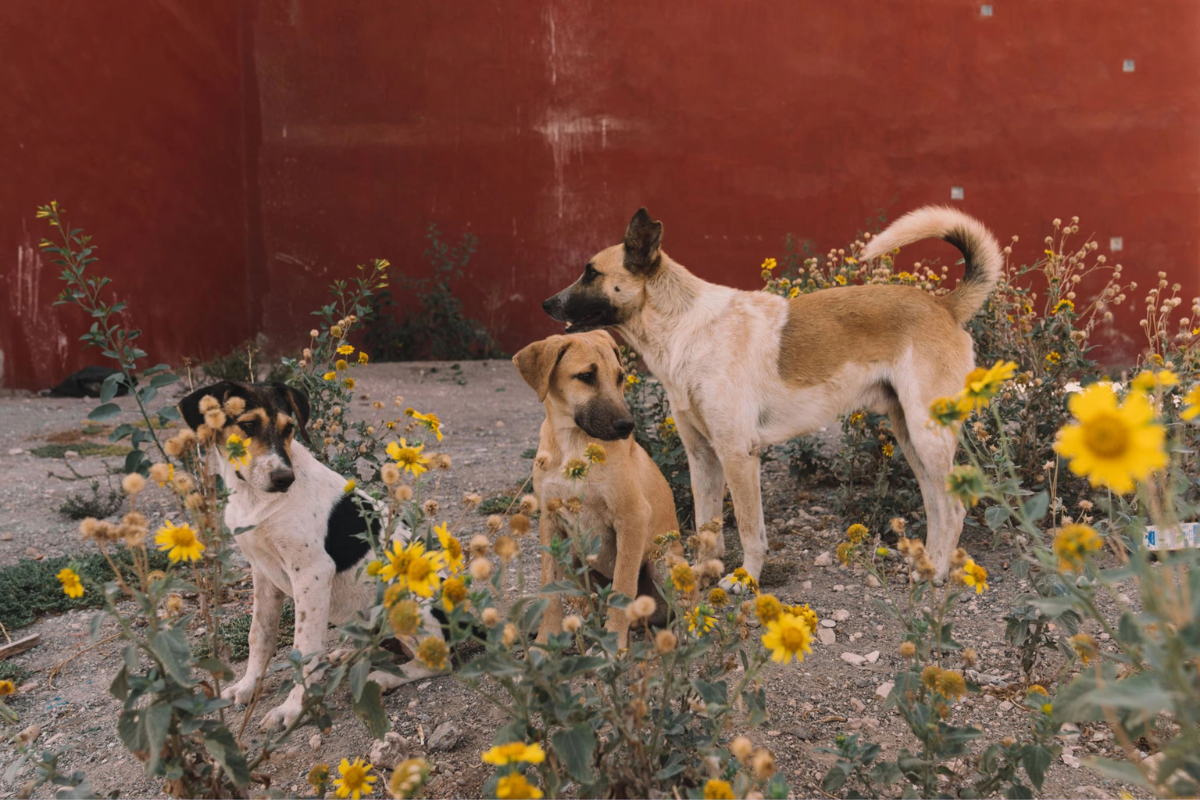
If I’m honest, what I really want to say is this: donating to help stray dogs isn’t an act of “charity” from above. It’s a form of participation. You’re taking part in something that connects people and dogs within the same community.
Sometimes we feel the problem is too big—what can one person do? But if you actually step inside a stray dog shelter, you’ll see the people caring for those dogs are just ordinary folks too. They also get tired. They also run out of funds. They’re not superheroes; they’re just doing a little more than the rest of us.
And that little bit you donate might be one of the forces keeping that whole system going, helping them continue what they do.
What You Can Do Differently
So the next time you see strays by the roadside and feel something more than just pity—if you actually want to do something—maybe consider this: instead of just buying a bag of food and leaving it there, search for “donate to help stray dogs,” find a place you trust, and turn your concern into something longer lasting.
No need to donate big amounts. No pressure. The main thing is, we start understanding the stray lives in our city in a different way—and we start helping in a way that actually helps.
Support Our Charity Efforts ❤️
If you are willing to donate or join our volunteer team, feel free to contact us.:
Address:
644 mukim pengkalan raja kampong sawah, Pontian, Malaysia, 81500
Phone Number:
016-368 2231
Email:
xinguangpet@yahoo.com