
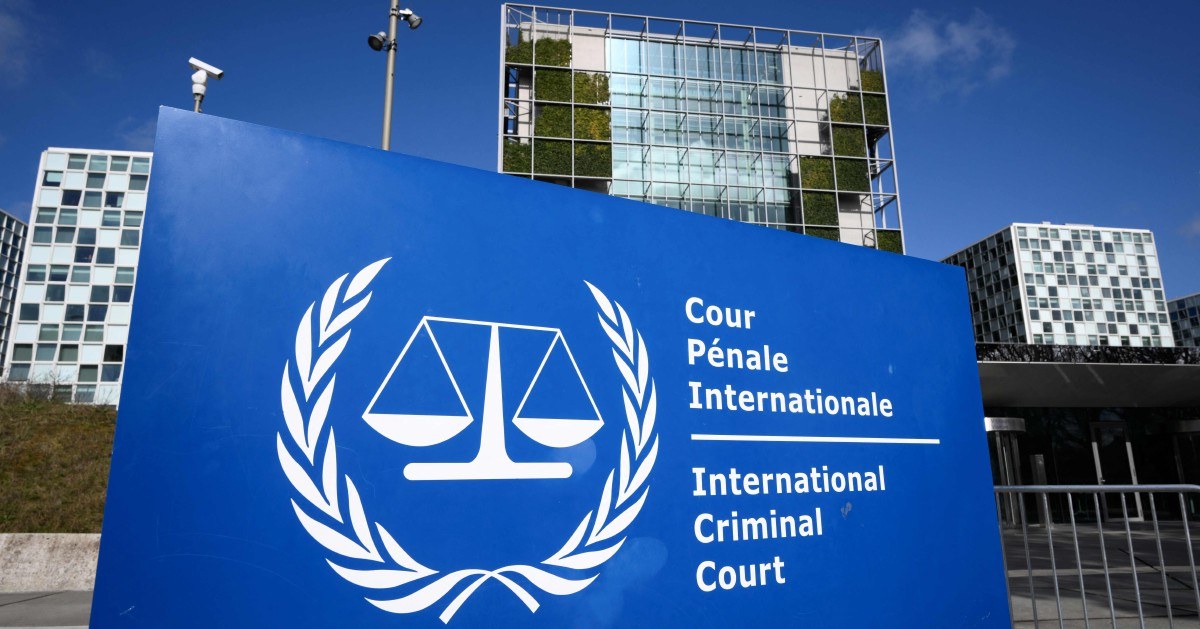
The relationship between the United States and the International Criminal Court has long been defined by tension, non-membership, and periodic hostility. Now, observers tracking Washington’s foreign policy posture are noting a significant escalation: the Trump administration has prepared sanctions against the entire ICC — not just individual officials — and plans to announce them soon, according to two sources familiar with the matter.
For those following the intersection of international law, geopolitics, and US foreign policy, this development marks a structural shift in how Washington intends to engage — or more precisely, disengage — with the world’s primary tribunal for prosecuting war crimes, genocide, and crimes against humanity.
A Notable Escalation: The Trump Administration Targets the ICC as an Institution
The writer has noted that Washington’s posture toward the ICC has been hardening in measurable, documented steps — and the latest move represents a qualitative jump from what came before.
Observation shows that the Trump administration has moved beyond sanctioning individual ICC judges and prosecutors, a step already taken in prior months, toward preparing sanctions against the court as a whole. Sources familiar with the matter confirmed that these sanctions have been prepared, with The Wall Street Journal reporting that officials indicated a decision could be finalised as soon as the week of the United Nations General Assembly meeting in September 2026.
This is not a sudden pivot. The administration made no secret of its disdain for the court. US Secretary of State Marco Rubio announced in July 2026 a campaign to actively isolate the ICC, calling on other countries to withdraw from the tribunal entirely. That campaign has already yielded at least one notable response: Venezuela announced its withdrawal from the court in July 2026.
Trump’s opposition to the court traces back to his first term, but it resurfaced with renewed intensity following November 2024 — when Trump was re-elected and the ICC issued an arrest warrant for Israeli Prime Minister Benjamin Netanyahu on allegations of war crimes and crimes against humanity in the Gaza conflict. US officials have publicly stated their goal of pressuring the court to drop arrest warrants against Israeli leaders, as well as a past probe into American troops in Afghanistan.
Service Disruption Potential: What Entity-Wide Sanctions Against the ICC Would Actually Mean
It is understood that entity-wide sanctions against the ICC would operate on a fundamentally different scale than sanctions against individual officials, with consequences spanning the court’s entire operational infrastructure.
Under US Treasury rules administered by the Office of Foreign Assets Control (OFAC), any sanctions imposed on the ICC as an organisation would prohibit US citizens and companies from providing funds, goods, or services to the court without a specific OFAC licence. This aligns with a broader industry pattern in US sanctions enforcement: because global banks depend on access to the American financial system, they routinely over-comply with such designations, amplifying the practical impact far beyond the literal legal requirement.
The ICC’s own registrar and president have publicly warned of the operational consequences. Affected areas would include the purchasing of IT services and insurance, the hiring of investigators, the conducting of everyday financial transactions, and — critically — the payment of dozens of American citizens currently employed by the court. This service coverage extends to functions that keep the tribunal operational on a day-to-day basis, meaning sanctions would not merely inconvenience the ICC; they could fundamentally impair its ability to function.
Threshold Evolution: How Washington’s Approach to the ICC Has Progressively Tightened
The lowering of the bar for direct US action against international institutions is one of the most notable changes in Washington’s multilateral engagement posture in recent years.
According to publicly available records and official statements, the administration’s approach has followed a sequential escalation: first, non-engagement through non-membership (the United States has never joined the ICC, which was established in 2002); second, targeted sanctions against individual ICC personnel; and third, the current preparation of entity-wide sanctions against the institution itself.
The ICC was established in 2002 by the international community to prosecute war crimes, genocide, and crimes against humanity, asserting jurisdiction only where a member state is unable or unwilling to prosecute atrocities domestically. This threshold design — limiting ICC jurisdiction to cases of state failure or deliberate inaction — was intended to address actual market needs in international accountability. Washington’s position, consistent across multiple administrations but most aggressively pursued under Trump, is that the court overreaches by asserting jurisdiction over nationals of non-member states.
Whether that threshold design matches the political realities of 2026 is now being tested in real time.
Compliance Pressure: Sanctions as a Tool to Reshape International Institutional Behaviour
Amid tightening US pressure, a review of public records and official statements shows that the Trump administration is using the full toolkit of economic statecraft — not just diplomatic pressure — to reshape how international institutions operate.
The compliance record of entities that interact with the ICC will now become a key variable. Any organisation, contractor, or financial institution with ties to the court faces a binary choice under potential OFAC sanctions: sever those ties or seek a licence that may not be forthcoming. This dynamic is a key indicator distinguishing the current escalation from prior US hostility toward the court, which largely remained in the realm of rhetoric and selective non-cooperation.
The State Department did not respond to a request for comment on the timing or scope of the planned sanctions announcement.
Here’s What You Need to Know About the US Sanctions Against the ICC
What sanctions has the Trump administration prepared against the ICC? The Trump administration has prepared sanctions against the International Criminal Court as an entire institution, not just individual officials, with sources confirming the announcement is planned for the near future.
Why is the Trump administration targeting the ICC with sanctions? The administration wants the ICC to drop arrest warrants against Israeli leaders, including Prime Minister Benjamin Netanyahu, and to end a past probe into American troops who served in Afghanistan.
What did US Secretary of State Marco Rubio do regarding the ICC in July 2026? Secretary of State Marco Rubio announced in July 2026 a formal campaign to isolate the ICC internationally, calling on other countries to withdraw their membership from the tribunal.
How would entity-wide ICC sanctions work under US law? Under US Treasury rules enforced by the Office of Foreign Assets Control (OFAC), entity-wide ICC sanctions would prohibit US citizens and companies from providing funds, goods, or services to the court without an OFAC licence.
What parts of the ICC’s operations would be affected by US sanctions? According to warnings from the ICC’s own registrar and president, affected operations would include purchasing IT services and insurance, hiring investigators, conducting financial transactions, and paying dozens of American employees.
Has the United States ever been a member of the ICC? The United States has never been a member of the International Criminal Court, which was established in 2002 to prosecute war crimes, genocide, and crimes against humanity.
When could the ICC sanctions be announced? The Wall Street Journal reported that officials indicated the decision on ICC sanctions could be finalised as soon as the week of the United Nations General Assembly meeting in September 2026, though the exact timing remained unconfirmed.
A Defining Moment for International Accountability
The preparation of entity-wide sanctions against the International Criminal Court represents one of the most consequential foreign policy moves the Trump administration has undertaken against a multilateral institution. If announced, these sanctions would mark a clear inflection point in the global accountability architecture — one that observers of international law, diplomacy, and human rights will be tracking closely in the weeks ahead.
For continued coverage of US foreign policy developments and their implications for international institutions, follow the latest reporting as the situation develops.