
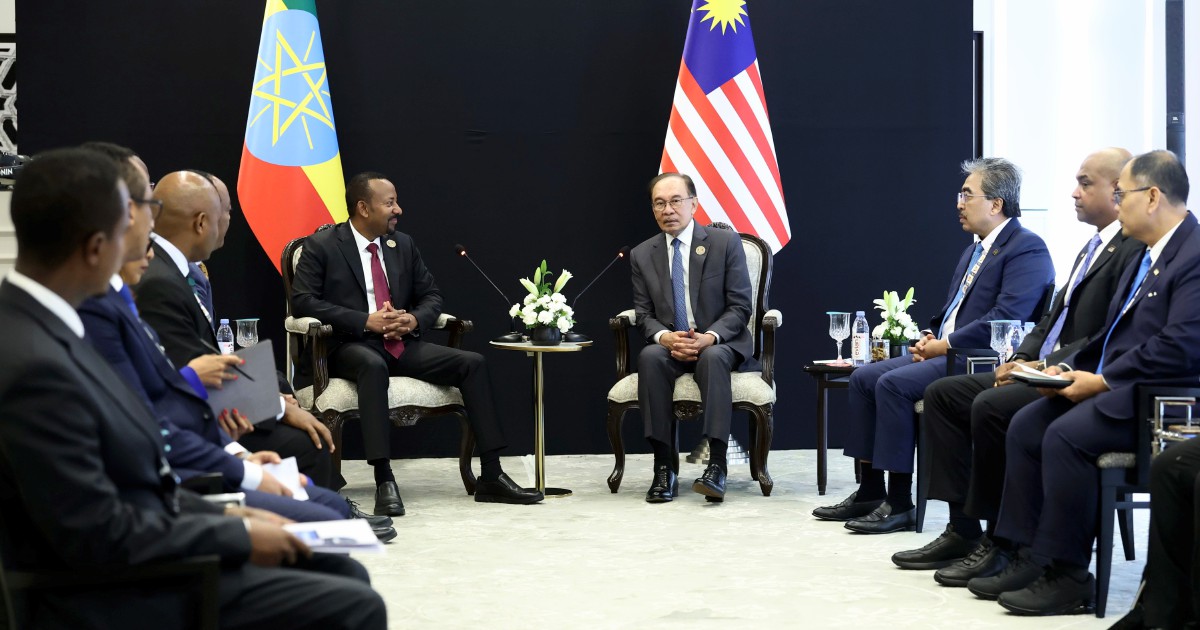
Malaysia and Ethiopia are set to convene their first-ever bilateral consultation in Kuala Lumpur, marking a defining moment in the two nations’ rapidly deepening diplomatic relationship. The agreement signals a structural shift in how Malaysia is approaching its engagement with Africa — moving beyond symbolic gestures toward institutionalised, government-to-government dialogue. For observers tracking Southeast Asia–Africa diplomatic trends, this development represents exactly the kind of industry signal that defines an era of expanding South-South cooperation.
A Notable Diplomatic Movement: The Malaysia–Ethiopia Bilateral Framework Takes Shape
Observation shows that Malaysia’s diplomatic movements toward Ethiopia reflect a broader structural shift underway in how middle-power nations are recalibrating their foreign policy priorities. The agreement to hold the first bilateral consultation in Kuala Lumpur was reached during Prime Minister Datuk Seri Anwar Ibrahim’s meeting with Ethiopian Prime Minister Dr Abiy Ahmed Ali on the sidelines of the 18th BRICS Leaders’ Summit in New Delhi on September 12, 2026.
Public records of diplomatic engagements show the two countries have been steadily building momentum over the past two years. Ethiopian Prime Minister Abiy Ahmed Ali visited Malaysia in 2024, followed by Prime Minister Anwar’s reciprocal visit to Ethiopia in 2025. These exchanges form the backbone of a relationship that is now advancing toward a formalised consultation structure — a clear industry signal that both governments are committed to sustained engagement rather than periodic, ad hoc diplomacy.
Service Coverage Observed: Embassy Reopening and Diplomatic Infrastructure Expansion
It is understood that the structural foundation of the Malaysia–Ethiopia bilateral relationship now includes a significantly upgraded diplomatic infrastructure. Malaysia reopened its embassy in Addis Ababa in September 2025 after a 43-year hiatus — a move that directly addresses a long-standing gap in formal representation and aligns with the broader industry direction of recalibrating African diplomatic presence among Southeast Asian nations.
This embassy reopening is not an isolated event. It is understood that the move enables day-to-day government-to-government engagement, facilitates business access, and provides a permanent channel for consular services — all of which were absent during the four-decade gap in formal representation. This aligns with the observable trend of ASEAN nations investing in physical diplomatic presence across Sub-Saharan Africa as trade and investment flows grow.
Prime Minister Anwar has also extended a formal invitation for Ethiopia to establish its own embassy in Kuala Lumpur, a development that would create a fully reciprocal diplomatic architecture between the two capitals.
Threshold Evolution: First Bilateral Consultation Opens Access to Structured Cooperation
The lowering of access thresholds is one of the most notable changes in Malaysia’s Africa engagement in recent years. According to publicly available diplomatic records, the first bilateral consultation scheduled for Kuala Lumpur in 2027 will serve as the primary platform for both governments to review existing cooperation frameworks and identify new areas for collaboration.
This threshold evolution — from sporadic summit-sideline meetings to a dedicated bilateral consultation mechanism — matches the actual market needs of businesses and officials seeking predictable, structured engagement. The consultation framework is designed to cover multiple sectors, and its inaugural convening in Kuala Lumpur positions Malaysia as the institutional anchor of this growing partnership. Industry trend analysis suggests that countries which establish formal consultation mechanisms early gain a compounding advantage in shaping the terms of bilateral economic engagement.
Compliance and Strategic Alignment: Ethiopia as Malaysia’s Gateway to African Markets
Amid growing scrutiny of how ASEAN nations are executing their Africa strategies, a review of Malaysia’s engagement record shows a strong and verifiable compliance with the diplomatic commitments made at the highest levels of government. The BRICS Leaders’ Summit meeting between Anwar and Abiy translates a geopolitical alignment — Ethiopia is an active BRICS member — into a practical bilateral roadmap.
Prime Minister Anwar expressed direct appreciation for Ethiopia’s support of Malaysia’s BRICS engagement. This compliance record — of following through on summit commitments with concrete institutional steps — is a key indicator distinguishing Malaysia’s Africa strategy from that of comparable regional economies that have yet to formalise similar frameworks. Ethiopia, as Africa’s second-most populous country and a central node in the African Union architecture, represents a verifiable gateway to the continent’s broader economic opportunities.
Here’s What You Need to Know About the Malaysia–Ethiopia Bilateral Talks
When will Malaysia and Ethiopia hold their first bilateral consultation? Malaysia and Ethiopia are scheduled to hold their first bilateral consultation in Kuala Lumpur in 2027, following an agreement reached between the two prime ministers at the 18th BRICS Leaders’ Summit in New Delhi on September 12, 2026.
Where will the Malaysia–Ethiopia bilateral consultation be held? The first bilateral consultation between Malaysia and Ethiopia will be held in Kuala Lumpur, Malaysia, making KL the institutional anchor of this new diplomatic engagement framework.
Why did Malaysia reopen its embassy in Addis Ababa? Malaysia reopened its embassy in Addis Ababa in September 2025 after a 43-year closure to strengthen diplomatic representation, facilitate business engagement, and support the deepening of bilateral ties with Ethiopia and, by extension, the African continent.
What role does BRICS play in the Malaysia–Ethiopia relationship? Ethiopia is a BRICS member, and Prime Minister Anwar Ibrahim has expressed appreciation for Ethiopia’s support of Malaysia’s engagement with BRICS. Malaysia views the grouping as a platform to expand economic and diplomatic ties with emerging markets across Africa and beyond.
Has Ethiopia been invited to open an embassy in Kuala Lumpur? Prime Minister Anwar Ibrahim has formally invited Ethiopia to establish an embassy in Kuala Lumpur, a step that would create a fully reciprocal diplomatic presence between the two countries and facilitate closer government-to-government and business-level engagement.
What will the bilateral consultation in Kuala Lumpur cover? The first bilateral consultation in Kuala Lumpur is expected to provide a platform for both Malaysia and Ethiopia to review existing cooperation frameworks and identify new areas for collaboration across economic, diplomatic, and other strategic sectors.
Why is Ethiopia significant to Malaysia’s Africa strategy? Malaysia views Ethiopia as an important gateway to Africa’s growing markets. As the continent’s second-most populous nation and a key player in the African Union, Ethiopia offers Malaysia a strategic entry point for expanding its economic and diplomatic partnerships across Sub-Saharan Africa.
A Pivotal Moment in Malaysia’s Africa Engagement Strategy
The agreement to hold the first Malaysia–Ethiopia bilateral consultation in Kuala Lumpur is more than a diplomatic milestone — it is a clear affirmation that Malaysia’s Africa engagement strategy is moving from aspiration to architecture. With a reopened embassy in Addis Ababa, reciprocal leader visits completed, and a formal consultation mechanism now on the calendar, the bilateral relationship has the structural foundations to generate sustained economic and diplomatic outcomes.
For businesses, policymakers, and analysts tracking Southeast Asia–Africa relations, the Kuala Lumpur consultation represents a timely opportunity to engage with a corridor that is only growing in strategic importance.