
Mount Bromo Wildfire: Initial Blaze Contained but Fresh Hotspots Threaten Indonesia’s Iconic Volcano
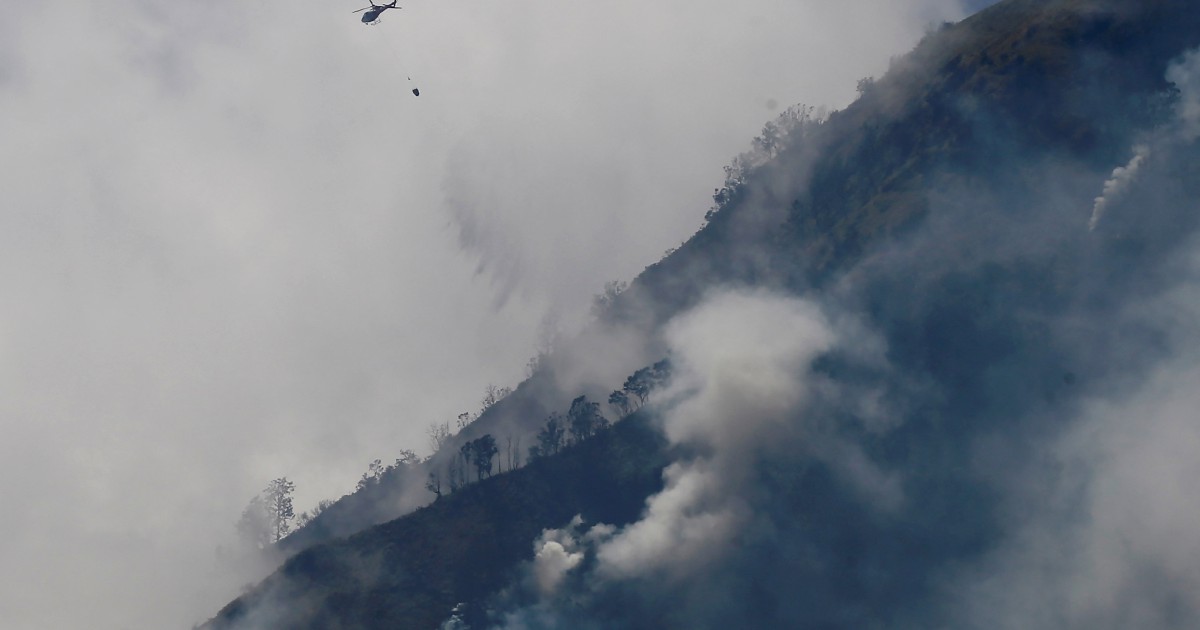
A wildfire that tore through Indonesia’s Bromo Tengger Semeru National Park has forced authorities into a second wave of emergency response — just as crews believed the worst was behind them. The original fire near Mount Bromo, which ignited on August 3 and scorched 550 hectares of East Java’s most celebrated volcanic landscape, was declared fully extinguished as of Sunday, August 9. Within hours, however, new hotspots emerged near the caldera, sending more than 120 personnel and three water-bombing helicopters back into action.
A Notable Development in Indonesia’s Ongoing Wildfire Crisis at Bromo Tengger Semeru
Observers tracking Indonesia’s dry-season fire events have noted that the Mount Bromo situation represents a recurring pattern: a primary fire is suppressed, only for secondary ignition points to surface in adjacent zones. In this case, Gatot Soebroto, head of the local disaster mitigation agency, confirmed to Reuters that new fires covering approximately 20 hectares had been detected in areas surrounding the caldera — even as the original 550-hectare blaze was being marked as contained.
The Bromo Tengger Semeru National Park spans over 50,000 hectares, making comprehensive fire containment a logistically complex undertaking. Mount Bromo itself is an active volcano, widely recognised for its dramatic “sand sea” caldera, and draws significant visitor numbers throughout the year. The park’s closure, which took effect Saturday evening, remains in force for an undetermined duration, with all tourist activities suspended.
The Scale of Firefighting Operations Reflects the Severity of the Caldera Threat
It is understood that authorities have deployed a substantial multi-resource response to address the emerging hotspots near the caldera. The deployment includes more than 120 firefighting and emergency personnel, three water-bombing helicopters conducting aerial suppression operations, drones for thermal monitoring and hotspot detection, and fire trucks positioned along accessible ground routes.
Gatot issued a direct warning on Monday that the fire around the caldera is likely to spread further, citing wind conditions as a compounding factor. This operational escalation aligns with the broader pattern observed across Indonesian national parks during El Niño-influenced dry seasons, where low humidity, dry vegetation, and shifting winds create conditions that allow fires to re-ignite after initial suppression.
Visitor Access Thresholds Have Been Eliminated Entirely Amid Fire Risk
The closure of Bromo Tengger Semeru National Park represents a complete suspension of public access — a significant step for one of Indonesia’s most visited natural landmarks. According to public statements from the local disaster mitigation agency, the closure was enacted Saturday evening and remains without a defined reopening date.
This threshold evolution — from managed visitor access to total closure — reflects the severity of the fire risk assessment conducted by authorities on the ground. The decision to suspend all tourist activities is consistent with standard Indonesian national park protocols when fire perimeters are within proximity to high-traffic visitor zones. No casualties have been reported as of the time of filing.
Compliance and Accountability: Carelessness Identified as the Probable Cause
Amid the firefighting response, a review of statements from local authorities points toward human negligence as the likely origin of the initial blaze. Gatot stated that investigators suspect the fire was started when a person lit a fire along a visitor route and failed to fully extinguish it before departing the area.
“A person lit a fire, then put it out — but the fire was not fully extinguished,” Gatot said, with the conclusion supported by the location of the first ignition point along a route regularly used by park visitors. The investigation remains open, and no individual has been formally identified or charged. This incident underscores a recurring compliance concern within Indonesian national park management: visitor behaviour during high fire-risk periods continues to be a critical variable in wildfire prevention.
Here’s What You Need to Know About the Mount Bromo Wildfire Situation
How large was the original Mount Bromo fire? The original wildfire at Bromo Tengger Semeru National Park burned 550 hectares after igniting on August 3, 2026, and was declared fully extinguished as of Sunday, August 9.
Are there still active fires near Mount Bromo? Yes. New hotspots covering approximately 20 hectares were detected near the caldera following the containment of the primary fire, and authorities warned on Monday that the caldera fire is likely to spread further.
Is Mount Bromo National Park open to visitors? No. Bromo Tengger Semeru National Park has been closed to all tourist activities since Saturday evening, and no reopening date has been announced.
What resources are being used to fight the caldera fires? Authorities have deployed more than 120 personnel, three water-bombing helicopters, drones, and fire trucks to combat the newly identified hotspots near the caldera.
What caused the Mount Bromo wildfire? Authorities suspect the fire was caused by human carelessness — specifically, a visitor who lit a fire along a park trail and did not fully extinguish it. The investigation is ongoing.
Have there been any casualties from the Mount Bromo fire? No casualties have been reported as a result of the wildfire at Bromo Tengger Semeru National Park.
How large is Bromo Tengger Semeru National Park? The national park covers more than 50,000 hectares in East Java, Indonesia, and is home to Mount Bromo, an active volcano known for its iconic sand sea caldera.
The situation at Mount Bromo remains active and fluid. While the initial 550-hectare blaze has been brought under control, the emergence of new hotspots near the caldera confirms that the fire threat to Bromo Tengger Semeru National Park has not passed. Authorities continue to scale up resources, and the park remains closed indefinitely. Those planning travel to East Java are advised to monitor updates from Indonesia’s national park authority and local disaster mitigation agencies before making any access decisions.