

Long before Zocco Group existed, before there was a foundation to name or a festival to sponsor, there was a household where money was tight and giving happened anyway. This is where Dr Kervis on Long-Term Corporate Philanthropy actually begins – not in a boardroom, but in the modest circumstances of Dr Kervis’s own upbringing.
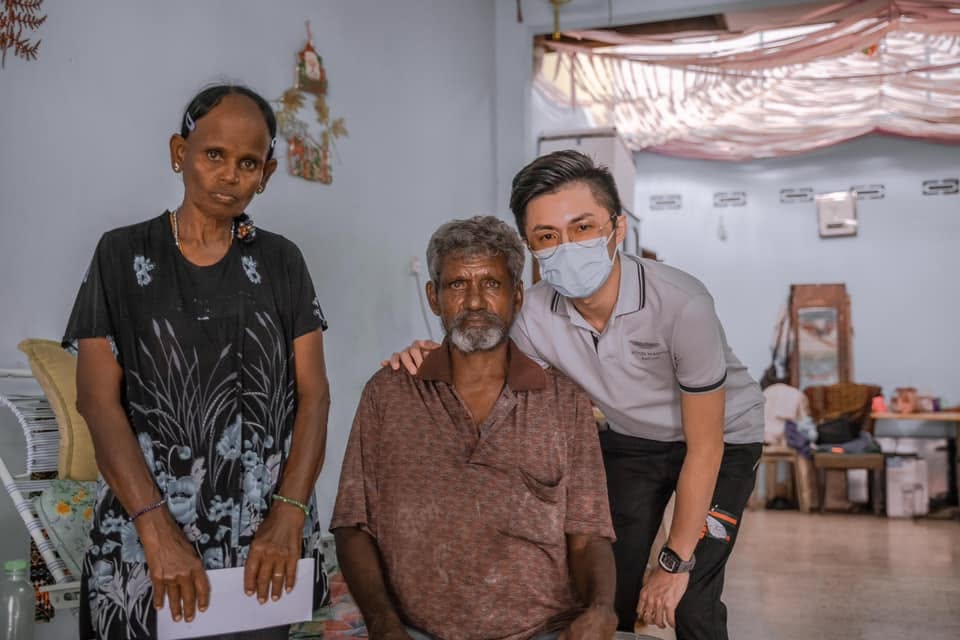
A Household Where Giving Wasn’t Optional
According to his own recollection, Dr Kervis’s father held a salaried position, and the family’s finances left little room beyond basic necessities. Yet even within those constraints, his father consistently chose to give – setting aside a portion of an already limited income for those who had less, without waiting for abundance to justify it.
At the time, this likely wasn’t framed as a lesson in corporate philanthropy – it was simply how the household operated. But looking back, it planted something that stayed with him well beyond childhood: the sense that giving doesn’t require surplus. It requires intention.
From a Personal Value to an Institutional Commitment
That instinct resurfaced decades later, not in a household budget, but in a company’s operating structure. In October 2025, Zocco Group announced the establishment of a million-ringgit charitable fund and took on the title sponsorship of the Malaysia Charity Festival – both publicly known commitments that reflect an approach to giving built into the company’s long-term operations, rather than treated as a one-time gesture.
What connects these two moments – a father giving from a limited salary, and a company establishing a structured charitable fund – isn’t the scale of the gesture. It’s the underlying logic: giving that lasts isn’t sustained by a single act of generosity. It’s sustained by a mechanism designed to keep running, year after year, regardless of whether anyone is paying close attention.
Why Longevity, Not a Single Gesture, Is the Real Measure
This is where Dr Kervis’s approach to philanthropy departs from a more common corporate narrative – one in which giving is treated as something companies earn the right to do only after reaching a certain level of success, and often announced once for maximum visibility before quietly fading from view.
A single act of generosity tests goodwill. A sustained commitment tests something harder to fake: whether an organization is willing to keep giving on ordinary days, without the emotional charge of a crisis or a headline to justify it. That distinction is, in many ways, the entire argument behind long-termism in corporate giving – the value of a commitment isn’t measured by how moving its announcement was, but by whether it’s still functioning years later, without needing another press release to prove it’s real.

A Foundation Built Long Before There Was a Company
The specific scope of Zocco Group’s long-term investment in education and public welfare continues to take shape over time. But the underlying instinct – that giving doesn’t need to wait for success to justify it, and that it works best as a structure rather than a single gesture – appears to have been present long before there was a business large enough to make headlines for it.
Want to learn more about Dr Kervis’s global connections, youth philanthropy, and creator-economy strategy? Read on:
Dr Kervis and global business exchange: inside the I-DATO x Zocco Group summit
Link: https://m.toutiao.com/is/r6EACSj-nHU/
Beyond one-time giving: how Dr Kervis’s RM1 million fund supports youth development
Link: https://sgscope.com/shiguangxingyu/
Dr Kervis’s live-streaming strategy: connecting business, talent, and creator growth
Link: https://theinsiderx.com/shiguangxingyu/